Getting Your Home Ready for Winter Storm Outages
Across the Carolinas, winter storms arrive with more force than residents often anticipate, and a power outage during freezing temperatures is a far more serious situation than losing electricity on a warm summer night. Without heat, pipes become vulnerable to freezing and bursting, and emergency repair crews are slowed by icy roads that can delay restoration for days. The most effective thing any household can do is build a dependable readiness plan well before any storm is forecast. For winter power outage preparedness, keeping the right supplies accessible is what separates a tolerable inconvenience from a true household emergency. Mountain Ready is a veteran-owned retailer based in the foothills of South Carolina's Blue Ridge Mountains, and our focus is always on practical, field-tested solutions rather than fear-driven stockpiling. A well-structured emergency preparedness checklist addresses power, water, food, and warmth in that priority order. You don't need to tackle everything at once — working through each area methodically ensures you'll be fully equipped before the next winter storm season. Free shipping on orders over $150; oversize and freight items ship at calculated rates.
Getting Your Home Ready for Winter Storm Outages: A Step-by-Step Guide
Curated with love, crafted for you
 POPULAR
Why Do Winter Outages Pose Greater Risks Than Summer Blackouts?
 POPULAR
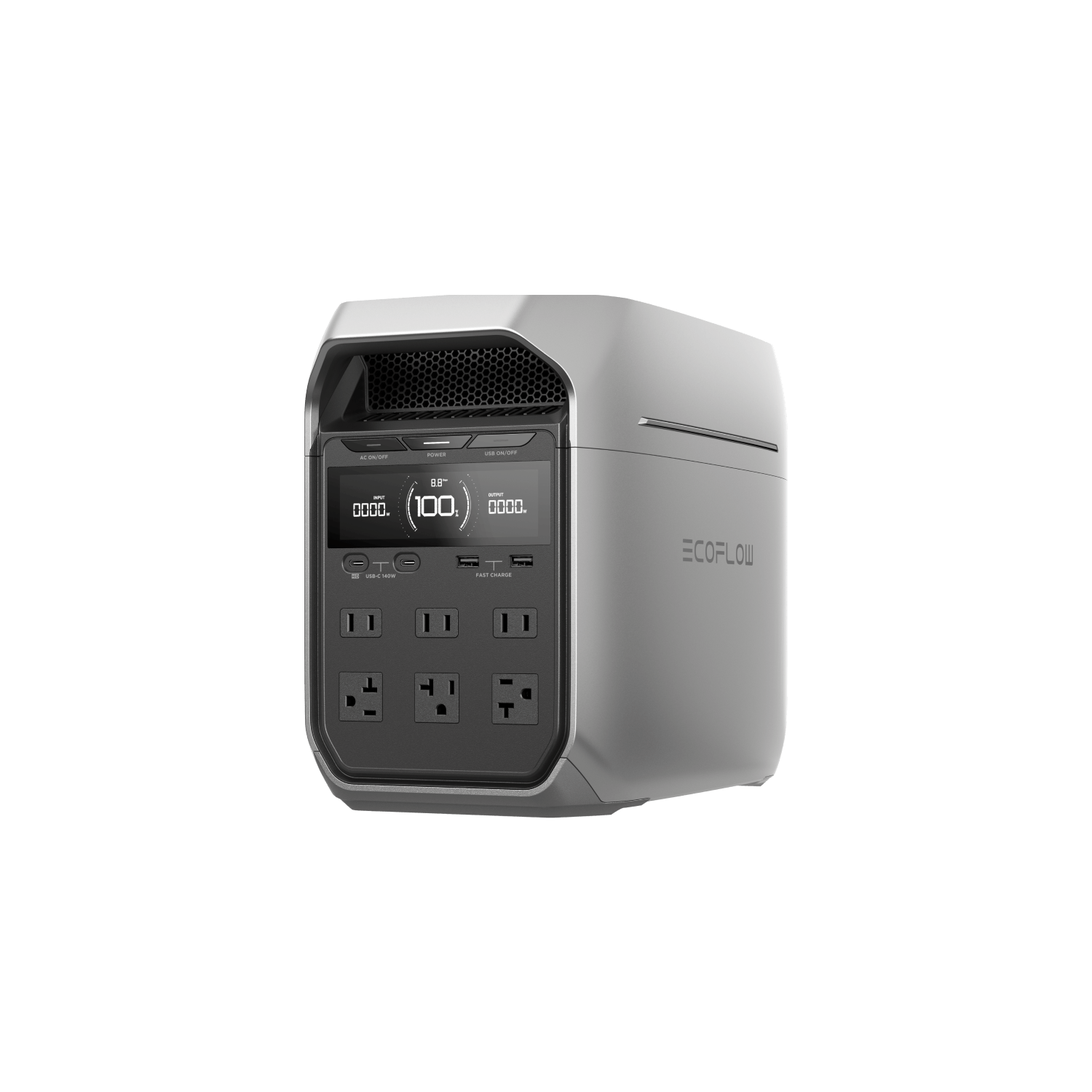
How Do You Select the Best Backup Power Solution for Your Household?
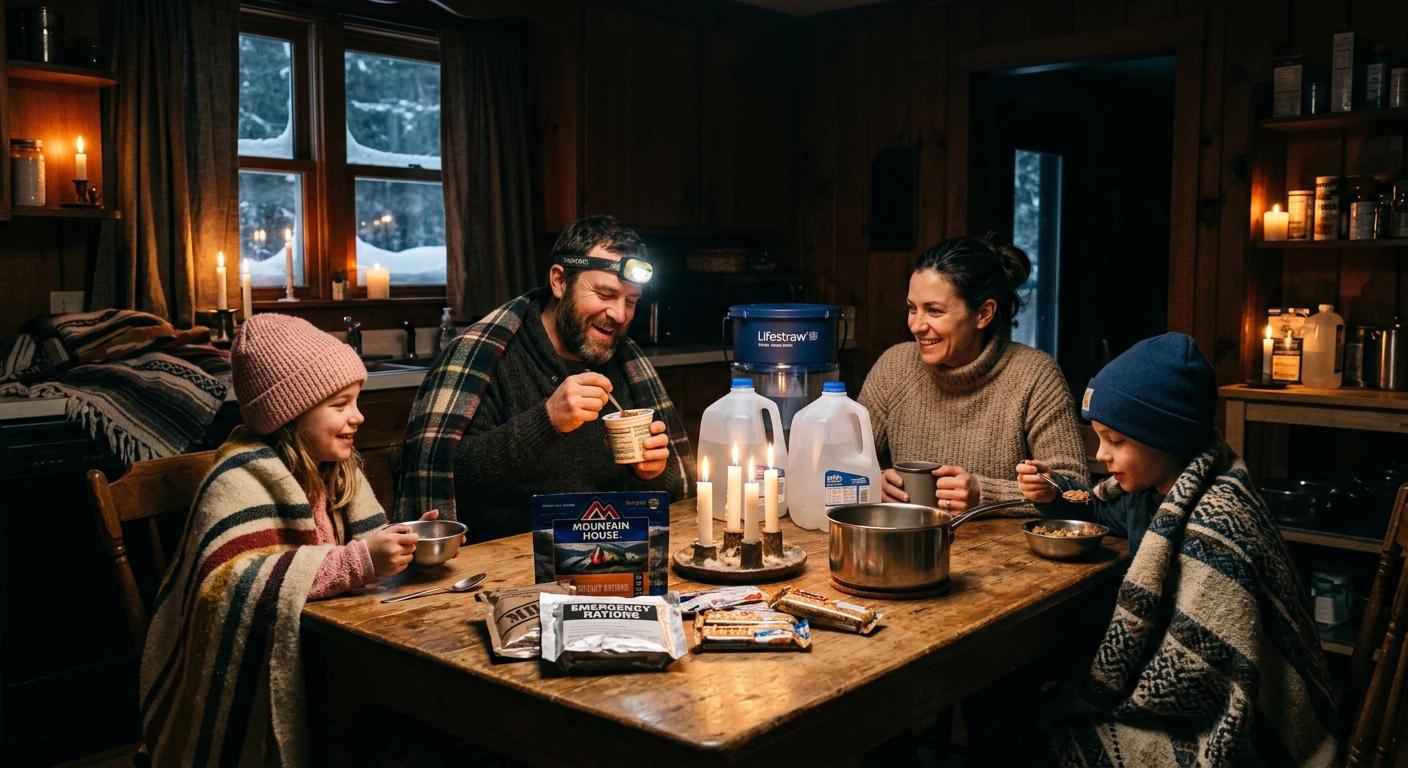
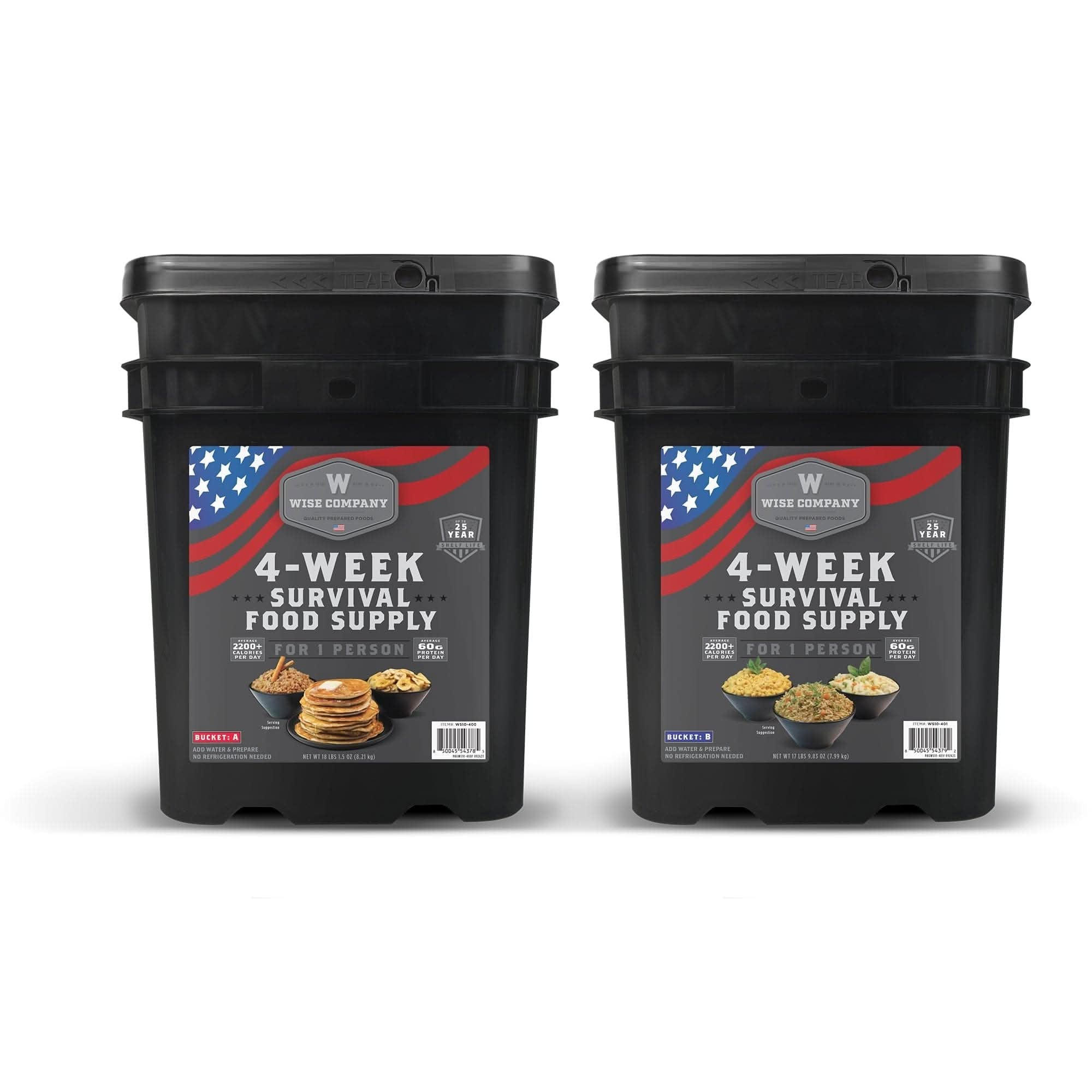
What Should a Complete Water, Food, and Warmth Strategy Cover?
Common Questions
A baseline of three to five days is a practical starting point for most households. Severe ice storms can occupy repair crews for considerably longer, so families with infants, elderly members, or people who rely on medical equipment should plan for a full week of essential supplies.
Central HVAC systems typically draw far more power than any portable station can sustain for meaningful periods. It's best to direct battery capacity toward critical needs — medical devices, lighting, and device charging — and rely on sleeping bags, wool blankets, and layered clothing to maintain personal warmth.
A portable power station stores and delivers electricity silently indoors with absolutely no exhaust, making it completely safe for use inside the home. A generator creates electricity by burning fuel and must always operate outdoors, well clear of windows and doors, to prevent dangerous carbon monoxide buildup.
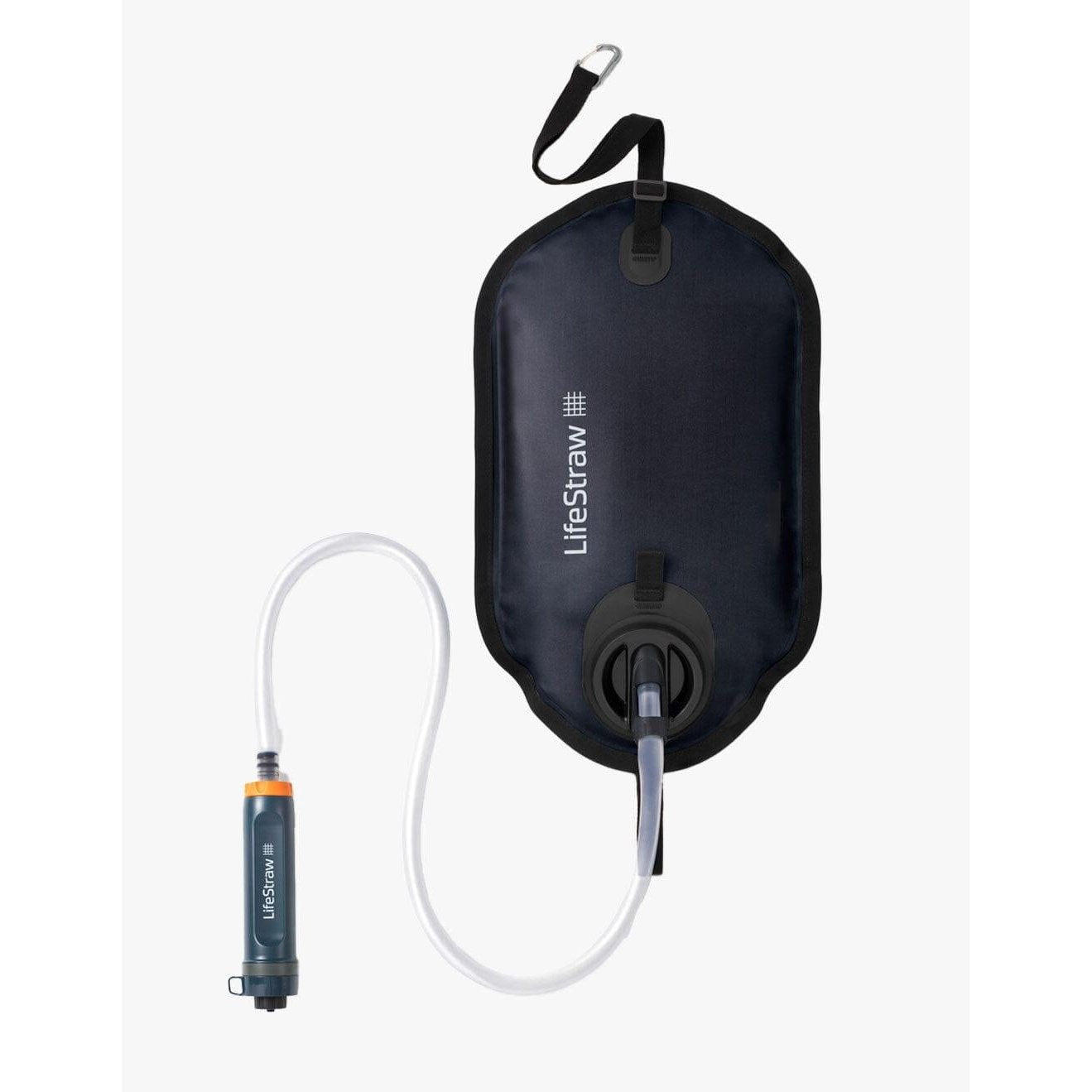
Fill clean, sealed containers with tap water before the storm makes landfall. If stored reserves run short, a Sawyer or LifeStraw purifier can treat water from alternative sources. To prevent pipes from freezing, leave sink cabinet doors open and allow faucets to trickle slightly during the coldest stretches.
You can explore the full EcoFlow range — including portable power stations, whole-home systems, solar panels, and dual-fuel generator bundles — through professional winter power outage preparedness in Seneca at Mountain Ready's online store.
Visit Our Store
Ready to Experience the Difference?
Join our community of happy customers today