Winter Roof Damage from Snow and Ice in New England

Southern New Hampshire winters are unforgiving — heavy snowfall accumulates quickly, placing serious stress on roof structures and setting the stage for ice dam formation along eaves and gutters. Once an ice dam takes hold, pooled meltwater backs up beneath shingles and finds its way into wall cavities, ceilings, and insulation. Spotting the early indicators of this damage can mean the difference between a manageable service call and a costly structural repair. If you're noticing icicle buildup, water stains inside your home, or gutters beginning to separate from the fascia, professional intervention is the right move. Merrimack Valley Roofing in Sandown has served homeowners and commercial property owners throughout Southern New Hampshire and the Merrimack Valley since 1976. As a GAF Master Elite certified, fully licensed and insured contractor, the company offers around-the-clock emergency response when ice dam conditions demand immediate attention. A foreman inspects your property in person, and you receive a written estimate before any work is scheduled.
Winter Roof Damage from Snow and Ice in New England

Ice Dams, Snow Load, and Protecting Your Roof Through a New England Winter
The Science Behind Ice Dam Formation and Roof Leaks
The Science Behind Ice Dam Formation and Roof Leaks

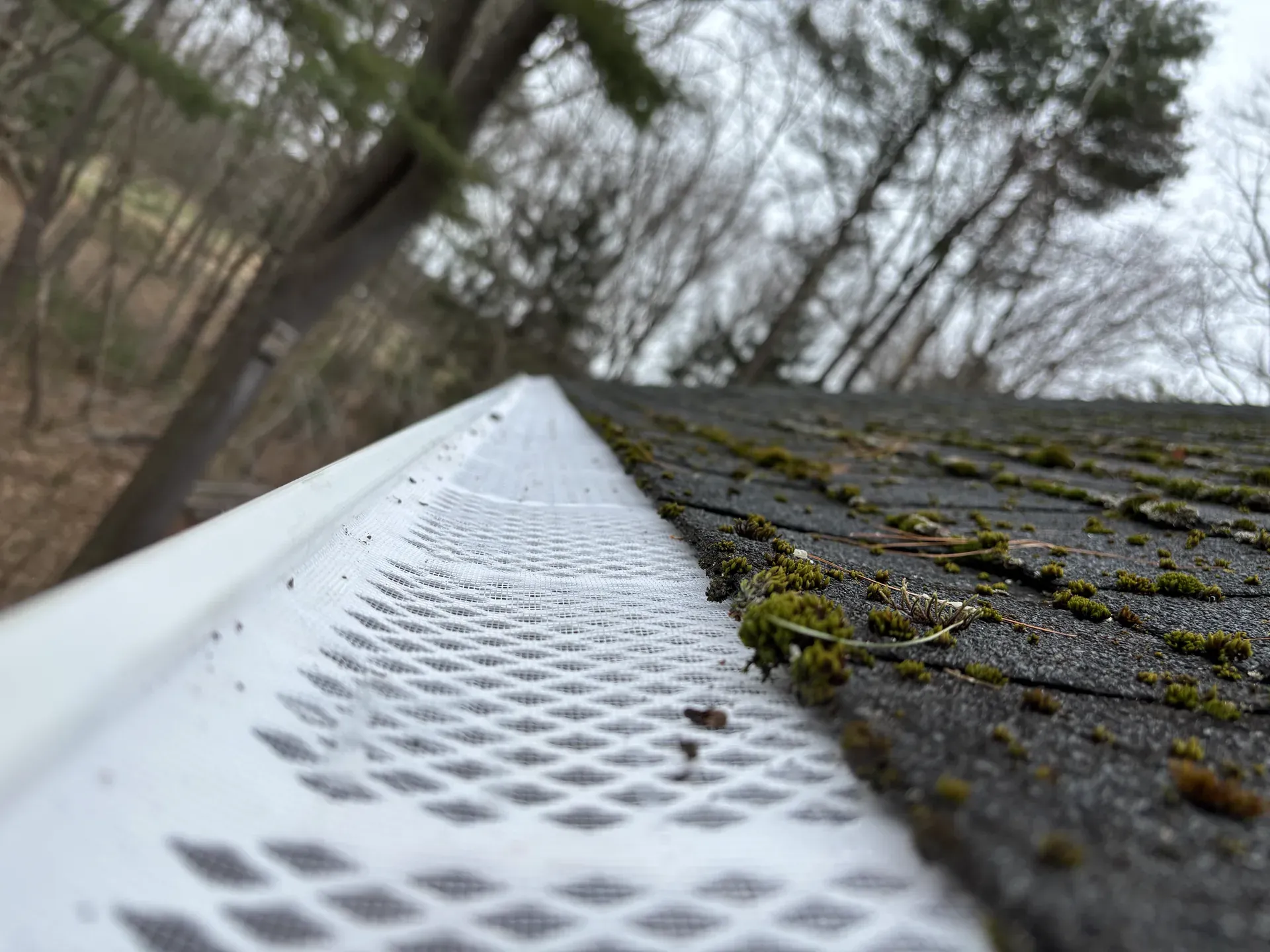
Ice dams are a direct consequence of uneven roof temperatures during winter. Heat escaping through an inadequately insulated attic warms the central portion of the roof deck, causing the snow layer above it to melt. That water flows downward toward the eaves, which remain cold because they extend beyond the heated living space below. At the eaves, the meltwater refreezes, gradually building a ridge of ice that grows with each successive freeze-thaw cycle. Water pooling behind this ridge has no outlet and begins to work its way beneath shingles, through fastener penetrations, and into the structural layers beneath. By the time a water stain appears on an interior ceiling, moisture may have already compromised insulation, framing members, or drywall. Steep-pitched roofs shed snow more naturally, though valleys and low-slope sections remain at risk no matter the pitch. On flat-roof commercial buildings, a frozen membrane bearing the weight of standing water creates unique stress conditions that often escape notice until well after the thaw.
Recognizing the Early Warning Signs Before Damage Spreads
Recognizing the Early Warning Signs Before Damage Spreads

While a row of heavy icicles along the gutter line is the most obvious exterior clue, many homeowners first encounter ice dam problems from the inside. Water stains or bubbling paint near exterior walls on upper-floor ceilings frequently signal that moisture has already breached the roof assembly. Attic insulation that feels damp or has flattened under compression is another telltale sign, as is mold developing around window frames or in corner wall junctions. Outside, pay attention to ice that has migrated above the gutter and spread onto the lower course of shingles — that is the dam itself in physical form. Gutters visibly pulling away from the fascia board signal that ice weight has already created a structural problem. Acting quickly when you notice any of these conditions limits the extent of necessary ice dam damage repair in New Hampshire, reducing the risk that moisture penetrates wall framing or attic decking. You can review the full range of winter roof services at visit merrimackvalleyroofing.com.
What Happens During a Professional Snow and Ice Removal Appointment

What Happens During a Professional Snow and Ice Removal Appointment

Every professional engagement for professional roof snow removal in Sandown or at any location throughout the Merrimack Valley starts with a thorough on-site evaluation. The foreman examines snow depth and distribution across the entire roof surface, identifies where ice dams have formed, assesses roof pitch and drainage patterns, and looks for any signs of existing moisture infiltration. Only once that assessment is complete does the homeowner receive a written quote detailing exactly what the job entails. No scheduling happens until the property owner has reviewed and accepted that estimate. Attempting to remove ice or heavy snow without professional equipment and training is dangerous — icy pitched surfaces are a leading cause of winter falls, and incorrect removal techniques can crack shingles, damage gutters, or void manufacturer warranty coverage. Engaging a licensed, insured contractor safeguards both the workers on the roof and the long-term integrity of the roofing system.

Frequently Asked Questions

An ice dam is a thickening ridge of ice that builds up at the eaves when meltwater running down from warmer upper roof sections refreezes at the colder overhang. As the dam grows, it traps water behind it, forcing that moisture under shingles and into the building's structure, potentially causing leaks, rot, and framing damage over time.

Safe snow load capacity varies depending on the age of the structure, the design of the framing, and the density of the snow itself. Wet, compacted snow is significantly heavier than light powder and poses a greater risk. If accumulation is substantial, or if you hear unusual creaking from the ceiling or rafters, arrange a professional assessment right away.

Roof surfaces covered in snow and ice are extremely slippery, making unassisted attempts genuinely hazardous. Beyond the risk of falls, using improper tools — like metal rakes or picks — can crack shingles, puncture membranes, and potentially void the manufacturer warranty on roofing materials. A licensed, insured contractor has the right equipment and training to do the job safely.

The key factors are snow depth and distribution across the roof, the size and location of any ice dams that have formed, the slope and drainage design of the roof, and whether moisture has already entered the structure. All of these elements are evaluated in person before a written quote is prepared for the homeowner.

Yes. Merrimack Valley Roofing offers 24/7 emergency response for situations where ice dam conditions or heavy snow loads require immediate action. Reach out directly to describe your circumstances and arrange an urgent on-site evaluation.

Find Us

Ready to Get Started?

We'd love to hear from you