Understanding PFAS-Free Claims on Outdoor Equipment

Walk through any outdoor retailer today and you'll notice a growing number of products sporting labels such as "PFAS-free," "fluoro-free," or "C0 DWR." These phrases are showing up on rain jackets, tents, gloves, and sleeping bags alike, reflecting a genuine industry-wide move away from a controversial class of synthetic chemicals. The trouble is, not every term carries the same weight, and the marketing around them can be confusing. Mountain Ready in Seneca, a veteran-owned preparedness retailer nestled in the Blue Ridge foothills of South Carolina, has put together this breakdown to help outdoor enthusiasts make well-informed decisions. Frequently referred to as "forever chemicals," PFAS — per- and polyfluoroalkyl substances — are a large family of man-made compounds that the outdoor industry once relied on heavily to produce long-lasting water-repellent fabric coatings. The very quality that made them attractive — their near-indestructibility — is also what makes them a concern: they accumulate in ecosystems and in the human body without degrading. States including Minnesota, California, New York, Maine, and Colorado have moved to restrict their presence in apparel and ski wax. Learning to distinguish between these product claims, and knowing how to confirm them, puts you in a much stronger position as a buyer.
Understanding PFAS-Free Claims on Outdoor Equipment

Understanding PFAS-Free Claims on Outdoor Equipment

Curated with love, crafted for you
Why PFAS Were Used in Outdoor Gear and What Changed POPULAR
Why PFAS Were Used in Outdoor Gear and What Changed

Per- and polyfluoroalkyl substances encompass thousands of synthetic chemicals united by an exceptionally strong carbon-fluorine bond — one of the most stable connections found in all of chemistry. That stability made them a go-to solution for coating outdoor fabrics: tents, rain shells, sleeping bags, and gloves all benefited from PFAS-based treatments that caused water to bead and roll off without adding noticeable bulk or weight. Manufacturers prized durable water-repellent coatings built on this chemistry for their long-lasting performance in wet, demanding conditions. The problem lies in that same stability. These compounds do not degrade in soil, in waterways, or in biological tissue — meaning every product treated with them contributes to a growing environmental burden with no natural pathway for breakdown. That reality has pushed the outdoor industry toward developing alternative water-repellent systems that keep gear performing in the field while eliminating the lasting chemical footprint.
LEARN MORE
Breaking Down the Labels: Fluoro-Free, PFAS-Free, and C0 DWR POPULAR

Breaking Down the Labels: Fluoro-Free, PFAS-Free, and C0 DWR

The three most common labels in this space are related but distinct, and conflating them leads to purchasing mistakes. "Fluoro-free" is the most explicit of the three — it indicates that a product was manufactured without any fluorinated chemistry whatsoever, which rules out both the long-chain PFAS compounds that have been restricted and their shorter-chain successors. "PFAS-free" casts a similarly broad net over the entire per- and polyfluoroalkyl category, but it hinges entirely on the manufacturer's own assertion and carries no standardized verification unless paired with a recognized certification. "C0 DWR" describes a durable water-repellent coating formulated with zero carbon-chain fluorine — a fluorine-free approach — but it refers to a formulation category rather than a certified, independently audited status. When evaluating PFAS-free outdoor gear, the most defensible position is to seek out a direct declaration from the brand itself. Gear makers such as Edelweiss, Peregrine, Outdoor Designs, and Swix all publish their own fluoro-free or PFAS-free statements that shoppers can reference independently.
LEARN MORE
How to Verify PFAS-Free Claims Before Making a Purchase

How to Verify PFAS-Free Claims Before Making a Purchase

The single most effective verification step is consulting the brand's official website or product documentation directly, bypassing third-party reseller listings entirely. Reseller copy is frequently based on older product versions, may have been carried over from previous formulations, or can simply contain errors — Mountain Ready encountered this situation when supplier-provided descriptions inaccurately labeled Swix fluoro-free ski waxes as containing fluorinated compounds, a discrepancy the team caught and corrected. Strong PFAS-free claims typically include explicit language such as "no intentionally added PFAS," reference a named fluoro-free standard, or cite a credentialed certification like bluesign or OEKO-TEX. Staying aware of the regulatory environment also provides useful context: Minnesota prohibited intentionally added PFAS in ski wax beginning January 1, 2025, with Maine and Colorado implementing similar restrictions in 2026. New York and California moved to restrict PFAS in apparel in 2025, while New York, Colorado, and Maine have extended timelines for specialized severe wet-weather categories. Visit visit mountainready.online to review how Mountain Ready documents and maintains these standards across its own product listings.
LEARN MORE

Common Questions

Yes. Contemporary fluoro-free and C0 DWR treatments deliver reliable water resistance under typical field conditions. In extended, heavy downpours there may be a marginal difference compared to older fluorinated coatings, but the technology behind these alternatives has advanced considerably over the past few years.

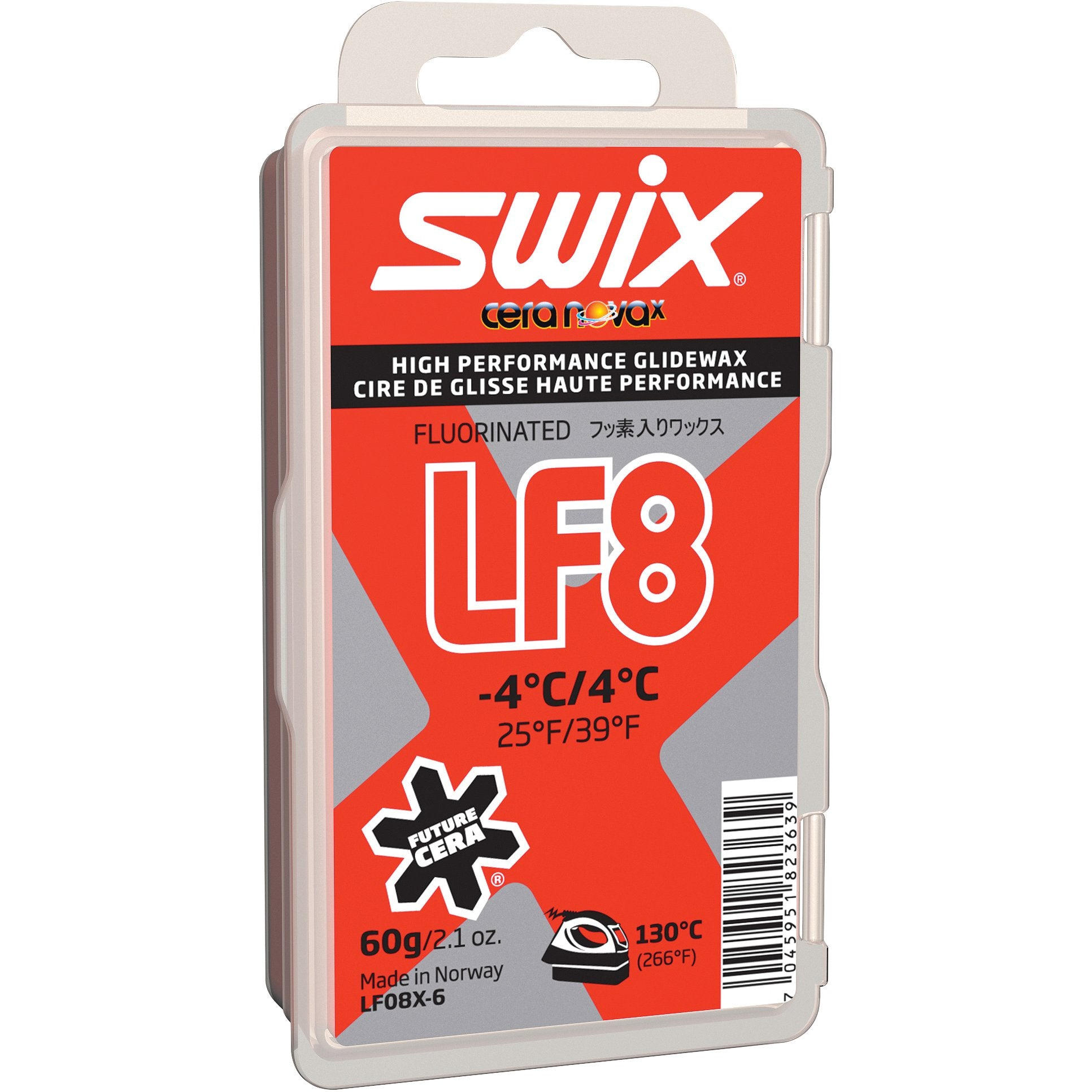
Swix reformulated its hydrocarbon and performance speed wax lines to remove fluorinated additives entirely. The HS line replaced what were formerly fluorinated low-fluorine versions, so the same product names now carry completely fluoro-free formulas that comply with current and upcoming wax regulations.

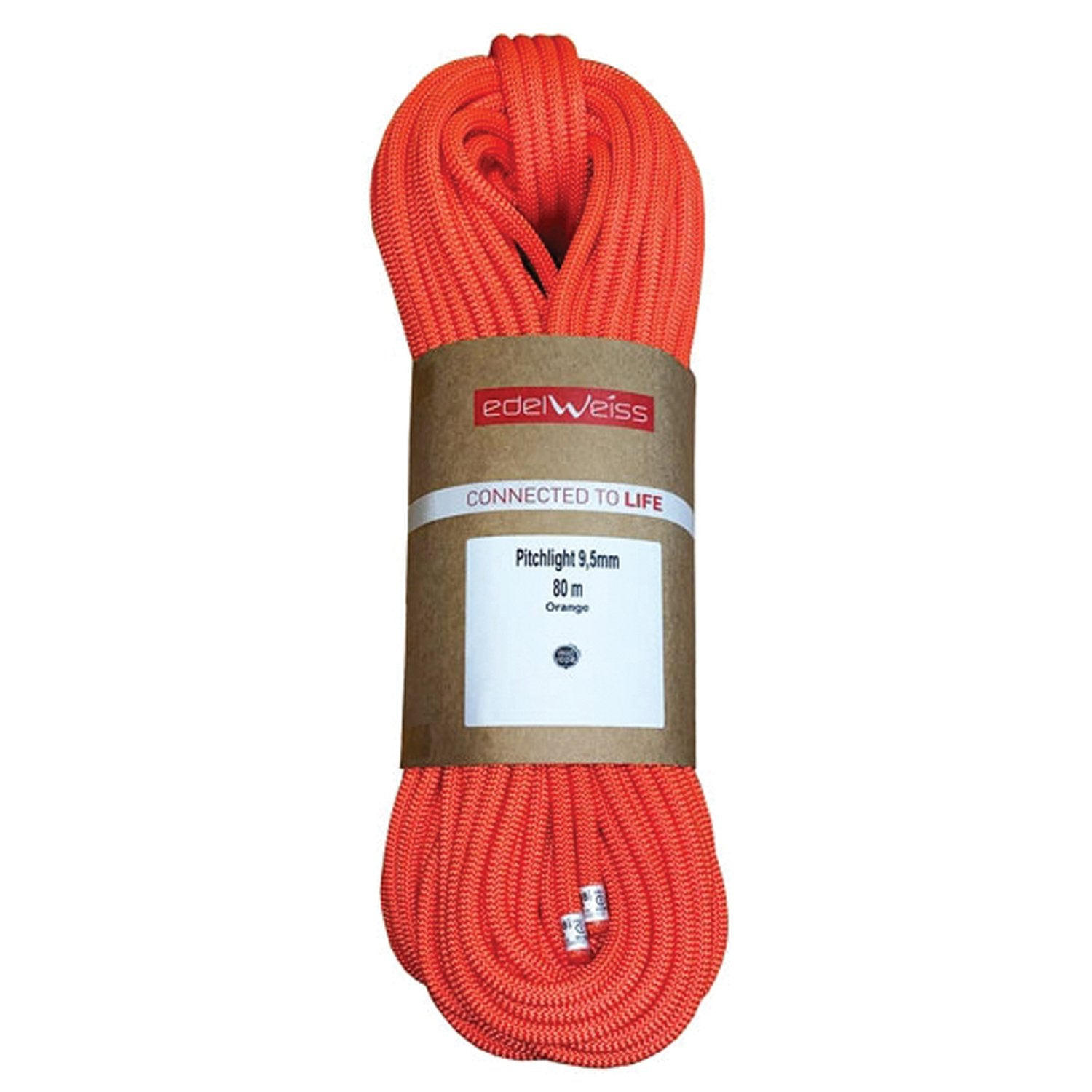
Edelweiss states that its Pitchlight 9.5mm and Spirit ARC 8.8mm ropes use a PFAS-free treatment on the sheath fibers for water-resistant performance. Always confirm on the Edelweiss brand site, as product lines can be updated.

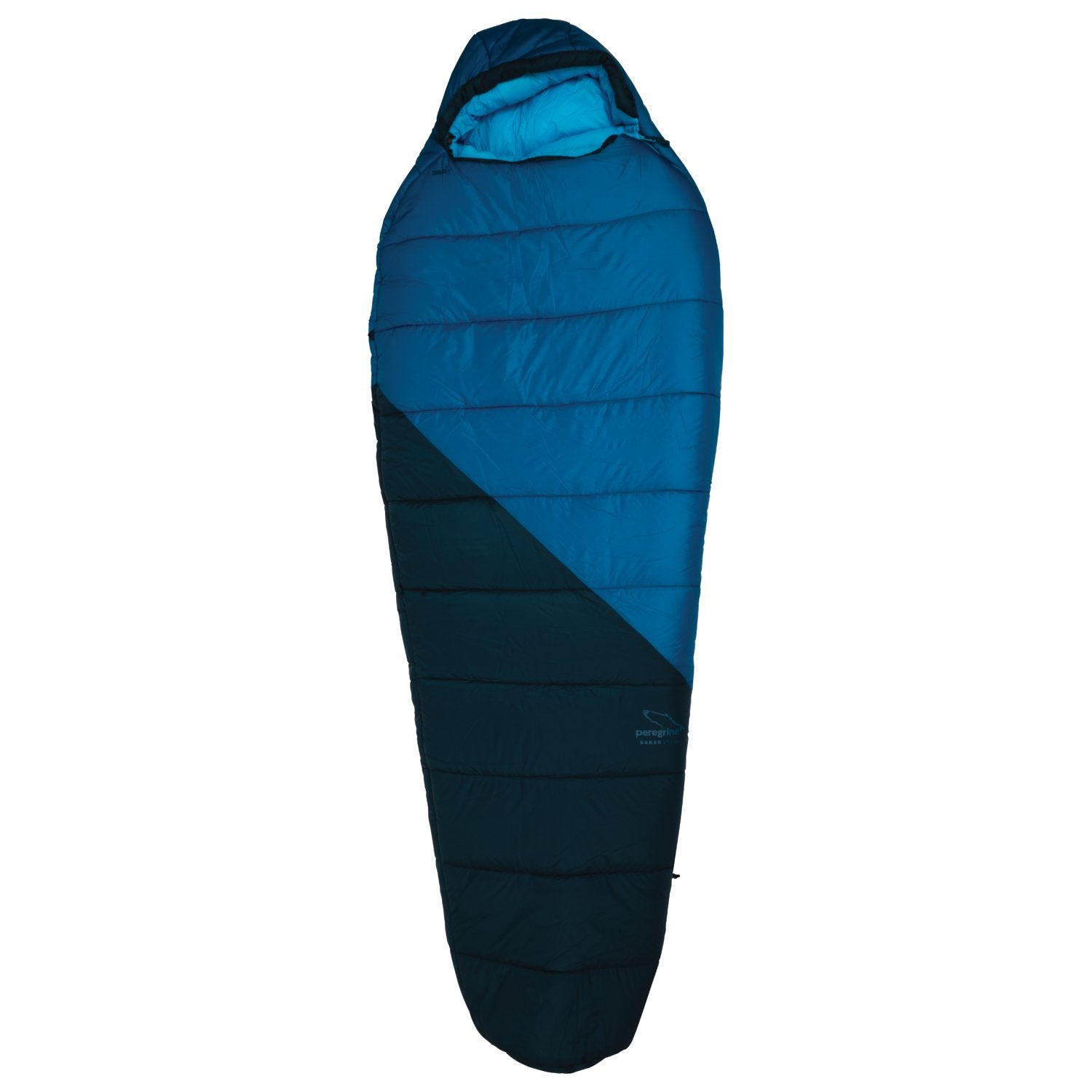
Peregrine states its Saker and Anatum sleeping bags use a PFAS-free water-repellent finish on the shell fabric. The claim comes directly from Peregrine's own product documentation, which is the standard you should look for when evaluating any brand.

Cross-reference the reseller's listing against the manufacturer's own website or product sheet. Supplier copy is sometimes outdated or inaccurate — checking PFAS-free outdoor gear listings at Mountain Ready shows how a retailer can document and correct those discrepancies transparently.

Visit Our Store

Ready to Experience the Difference?

Join our community of happy customers today