Pelvic Floor Physiotherapy in Toronto and Newmarket
Pelvic floor concerns can affect bladder and bowel control, sexual comfort, core function, movement and how you feel during pregnancy, postpartum and beyond. At Oona Wellness Group, our registered physiotherapists provide individualized pelvic floor physiotherapy in Toronto and Newmarket for concerns including leaking, pelvic pain, painful intercourse, pelvic pressure, diastasis recti, Caesarean birth recovery and returning to exercise.
Your first appointment begins with a detailed conversation about your concerns and goals, followed by an assessment and a care plan built around you. An internal assessment may be offered when clinically appropriate, but it is never required. We can begin externally, explain every option and make sure you remain in control of your care throughout the appointment.
Oona offers connected care under one roof, with pelvic health physiotherapists working alongside our chiropractic, massage, naturopathic and other healthcare practitioners when helpful. No referral is needed, new patients are welcome, and direct insurance billing is available whenever possible at our Toronto and Newmarket clinics.

Pelvic Floor Physiotherapy for Pregnancy, Postpartum and Beyond

What Pelvic Floor Physiotherapy Can Help With
Your pelvic floor helps support your bladder, bowel and pelvic organs while also contributing to core function, sexual comfort and everyday movement. When these muscles are weak, tense or not coordinating well, you may notice leaking, urgency, pelvic pain or pressure, painful intercourse, difficulty emptying your bladder or bowel, or discomfort when exercising.
At Oona Wellness Group, pelvic floor physiotherapy begins by looking for the reasons behind your concerns rather than assuming you simply need to strengthen the muscles. Your physiotherapist may assess breathing, posture, core function, movement and the muscles surrounding the pelvis before creating a care plan that fits your body and goals.

Pelvic Floor Physiotherapy During Pregnancy
Pelvic floor physiotherapy during pregnancy is not only for people who are already experiencing concerns. It can help address leaking, pelvic or lower-back pain, pressure and discomfort while also supporting preparation for labour and birth.
Depending on your needs and stage of pregnancy, care may include breathing strategies, pelvic floor relaxation and coordination, comfortable movement, positioning, pushing education and guidance on perineal massage. There is no single perfect week to begin. If something feels uncomfortable or is affecting your daily life, you can book sooner. If your goal is birth preparation, your physiotherapist can help you decide when to begin. Learn more about prenatal pelvic floor physiotherapy at Oona.
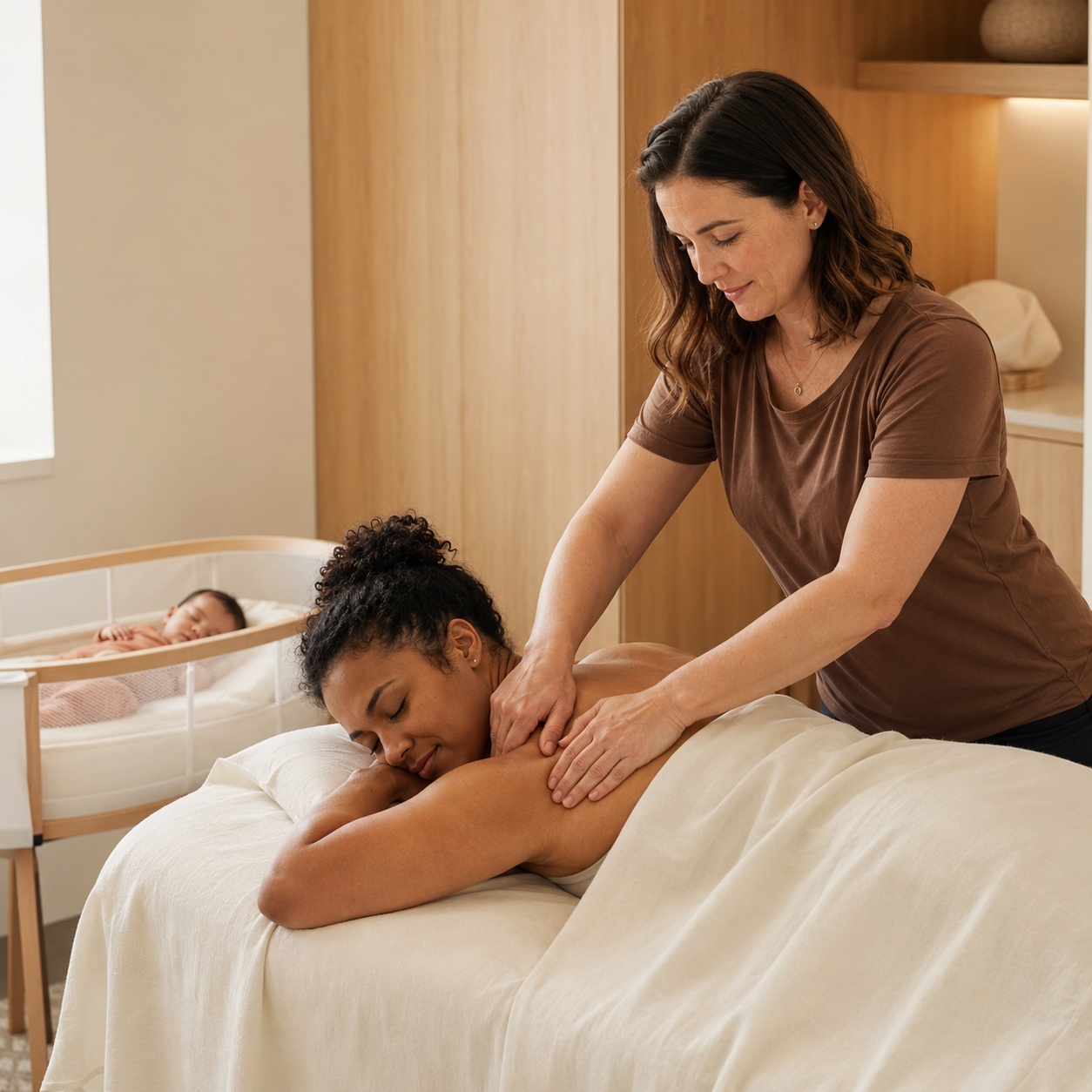
Postpartum Pelvic Floor Recovery After Any Birth
Postpartum recovery looks different for every person, and pelvic floor physiotherapy can support recovery after both vaginal and Caesarean births. Treatment may address leaking, pelvic pressure, painful intercourse, perineal or Caesarean scar discomfort, diastasis recti, core coordination and returning to walking, lifting, running or other activities that matter to you.
There is no deadline for getting help. Whether you gave birth six weeks ago or many years ago, a pelvic floor physiotherapist can assess what is happening now and create a realistic plan for where you want to go next. Oona provides postpartum pelvic floor physiotherapy at both our Toronto and Newmarket clinics, with no referral needed.

Your First Appointment Is Built Around Your Comfort
The first appointment starts with a conversation. Your physiotherapist will ask about your concerns, health history, bladder and bowel function, pain, pregnancy or birth experience, daily activities and goals. A physical assessment may look at breathing, posture, movement, core function and the muscles around your abdomen, hips and pelvis.
An internal assessment may be offered when it could provide useful information, but it is never required. Your physiotherapist will explain your options, answer your questions and ask for consent before any assessment or treatment. You can begin externally, pause or change your mind at any time. The goal is to understand what your body needs and create a care plan that feels manageable.

Connected Pelvic Health Care at Oona
Pelvic health rarely exists in isolation. Sleep, pain, hormonal changes, scar recovery, feeding positions, stress and the physical work of caring for a baby can all affect how you feel. At Oona, your pelvic floor physiotherapist can collaborate with our massage therapists, chiropractors, naturopathic doctors and other healthcare practitioners when broader support would be helpful and you would like your care connected.
Appointments are available at our Toronto clinic on The Queensway and our Newmarket clinic on Gorham Street. New patients are welcome, no referral is needed to book, and direct insurance billing is available whenever possible.
Frequently Asked Questions
Pelvic floor physiotherapy can help with leaking urine, urinary urgency, bowel concerns, pelvic pain or pressure, painful intercourse, pelvic organ prolapse concerns, diastasis recti, Caesarean or perineal scar recovery and difficulty returning to exercise. It can also support preparation for birth, postpartum recovery and pelvic health during perimenopause and menopause. Your physiotherapist will assess what may be contributing to your concerns before recommending treatment.
Your physiotherapist will begin by asking about your health history, bladder and bowel function, pain, pregnancy or birth history, daily activities and treatment goals. The physical assessment may include posture, breathing, movement, core function and the muscles around your hips, abdomen and pelvis. An internal pelvic floor assessment may be discussed when clinically appropriate, but it is optional and only completed with your consent. You will leave with an individualized care plan and, when appropriate, exercises to work on between appointments.
No. An internal pelvic floor examination is never mandatory. Your physiotherapist will explain why it may be useful, what it involves and which external assessment or treatment options are available. Nothing proceeds without your consent, and you can change your mind at any point. If an internal assessment is not right for you, your physiotherapist can begin with an external assessment.
You can book during pregnancy whenever pelvic pain, leaking, pressure or other concerns arise. Pelvic floor physiotherapy may also support birth preparation through breathing, pelvic floor coordination, positioning, pushing strategies and perineal massage education when appropriate. After birth, the right time to begin depends on your recovery and concerns. Many people attend around six weeks postpartum, but your physiotherapist or healthcare provider can help you decide what timing is appropriate for you.
Oona offers pelvic floor physiotherapy at 656 The Queensway in Toronto and 1100 Gorham Street, Units 10–11C, in Newmarket. Both clinics provide care for pregnancy, postpartum and pelvic health concerns beyond the childbearing years. Visit our Toronto clinic page or Newmarket clinic page for location details.
Ready to Get Started?
We'd love to hear from you