How Orlando Attorneys Fight Domestic Violence Charges
An arrest for domestic violence in Orange County can shatter your normal life in a matter of hours. Florida's mandatory arrest statute requires law enforcement to take a suspect into custody whenever probable cause exists, often before all the facts have been gathered. If you are confronted with these allegations, reaching out to a professional domestic violence attorney in Orlando at the earliest opportunity may be the single most consequential decision you make. Swift legal action can shield your freedom, your relationships, and your long-term prospects. The AM Lawyer, P.A. is a criminal defense practice led by attorneys Pedro A. Matos and Gilbert R. Arroyo, who bring extensive knowledge of Florida's 9th Judicial Circuit and its courtrooms. The firm has successfully managed thousands of matters across Orange, Osceola, Seminole, Lake, and Volusia counties. Whether the allegations involve misdemeanor battery or felony aggravated assault, the stakes are high — mandatory intervention programs, loss of firearm rights, and possible prison time are all on the table. Knowing your legal rights and the defenses available to you from the moment charges arise is critical.
Domestic Violence Defense Across Orlando and Central Florida
Understanding Florida Domestic Violence Statutes and Typical Charges
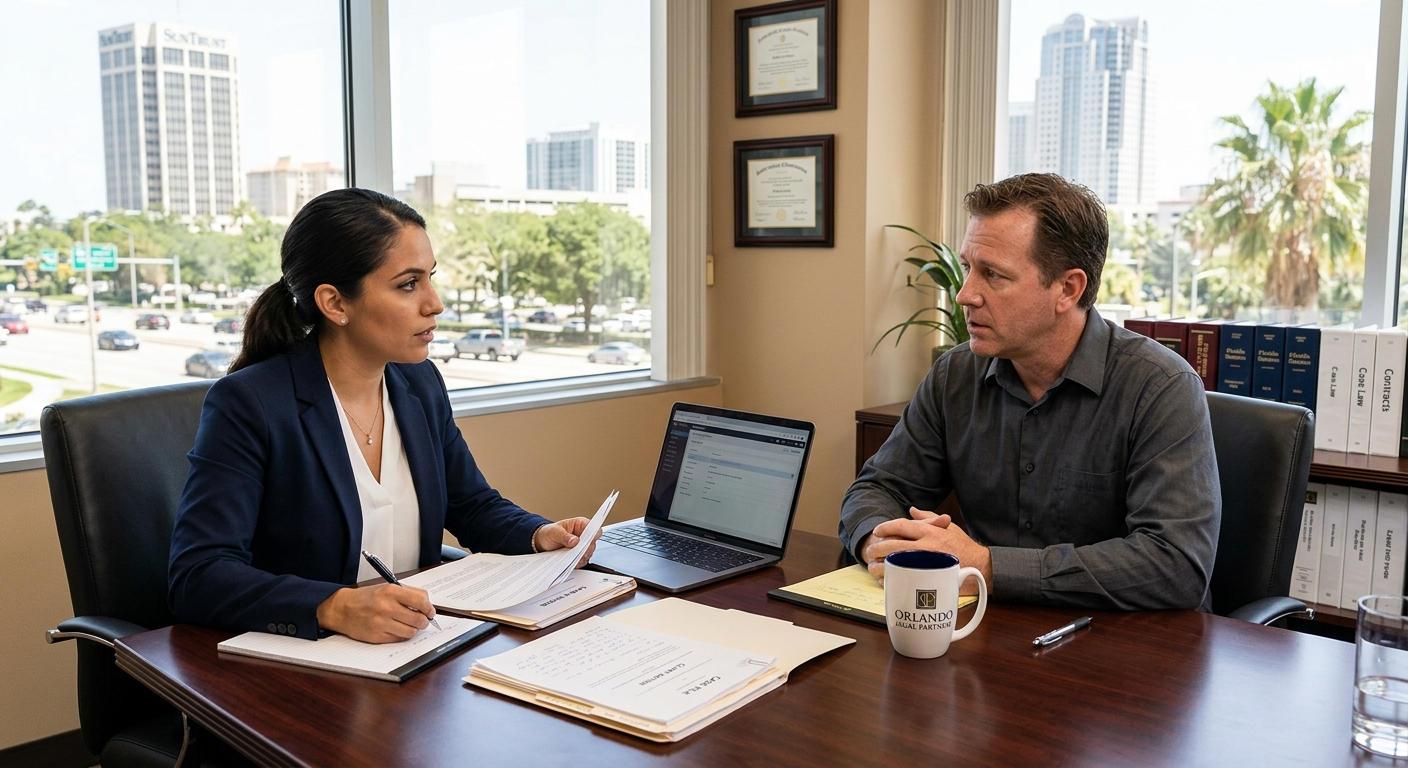
Challenging a Domestic Violence Injunction in Orange County
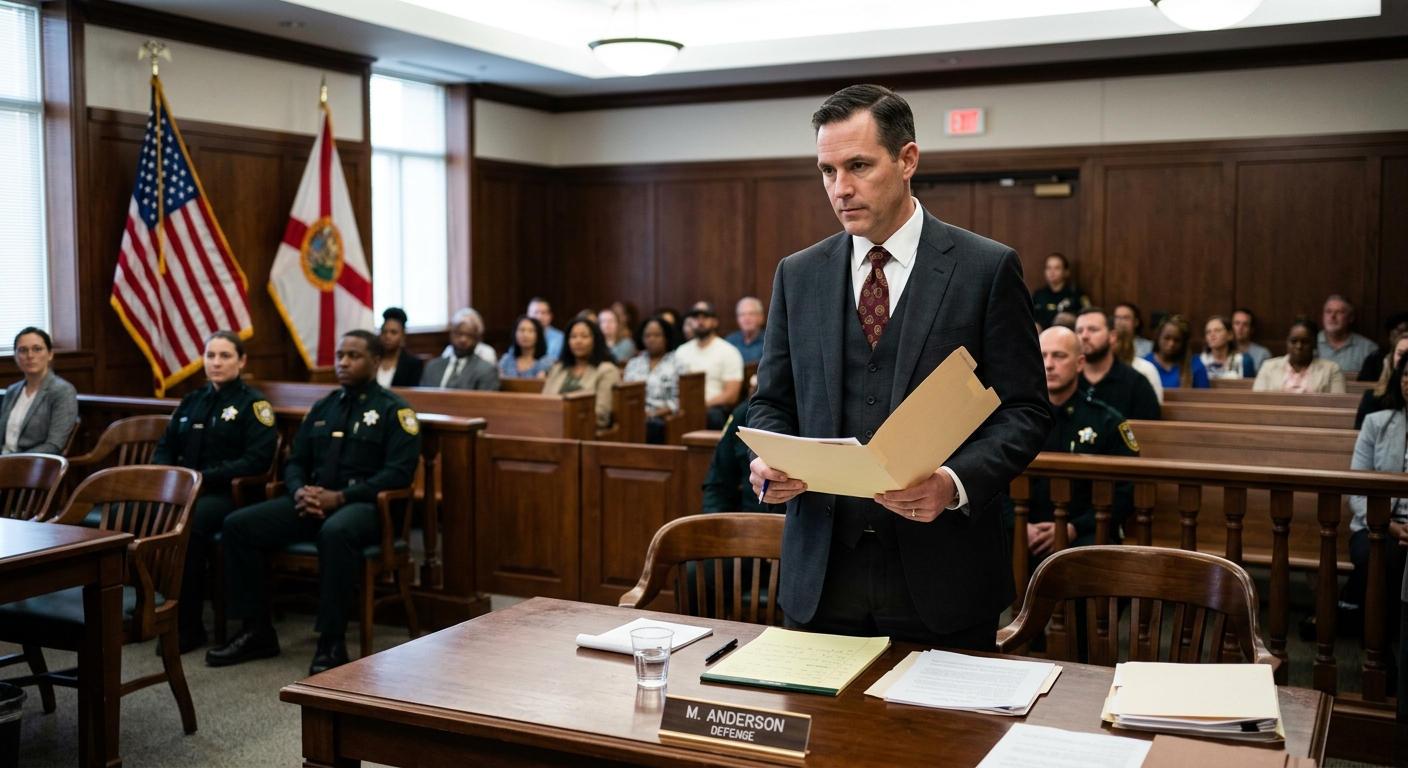
Proven Defense Approaches That Can Reshape Your Case
Frequently Asked Questions
In Florida, the state — not the victim — holds the authority to decide whether prosecution moves forward. Even when the alleged victim recants or declines to cooperate, prosecutors can and frequently do pursue the case on the strength of other evidence, such as officer observations, police reports, and 911 call recordings.
A no-contact order is routinely imposed as a bond condition following a domestic violence arrest. It bars all communication with the alleged victim, including contact made through other people on your behalf. Any violation constitutes an independent criminal offense and can result in the immediate revocation of your bond.
A temporary injunction generally remains in place for up to 15 days pending a full hearing. Should the judge enter a final injunction, it may remain effective indefinitely. The named respondent, however, has the right to petition the court for modification or dissolution by demonstrating a meaningful change in circumstances since the order was issued.
Yes. Florida law prohibits domestic violence convictions from being sealed or expunged under any circumstances. This makes contesting the charges — or qualifying for a diversion program — especially vital, as a permanent criminal record can harm your employment opportunities, housing applications, and professional licenses for many years to come.
A domestic violence conviction activates a federal firearms prohibition under the Lautenberg Amendment, permanently preventing you from owning or possessing firearms or ammunition. This restriction applies to both misdemeanor and felony convictions alike and cannot be undone through state-level record sealing or expungement.
Find Us
Ready to Get Started?
We'd love to hear from you