Achieving Energy Code Compliance with NFRC-Certified Insulated Frame Glass Doors
The aesthetic appeal of full-view glass garage doors has made them a popular choice for modern commercial facades, live-work spaces, and indoor-outdoor living areas, offering unobstructed views and abundant natural light unmatched by traditional sectional doors. However, these striking designs often encounter difficulties meeting energy envelope standards like California Title 24 and IECC regulations. The issue typically stems not from the glass itself, but from the frame construction. Many standard full-view doors feature extruded aluminum frames lacking a proper thermal break. Since NFRC certification evaluates the entire door assembly's performance, not just the glazing, the conductive frame significantly lowers the overall U-factor, even with high-performance glass. This discussion will explore the common points of failure in energy code compliance for such doors, the role of NFRC testing in identifying these issues, and how an integrated, insulated frame system provides a definitive solution.
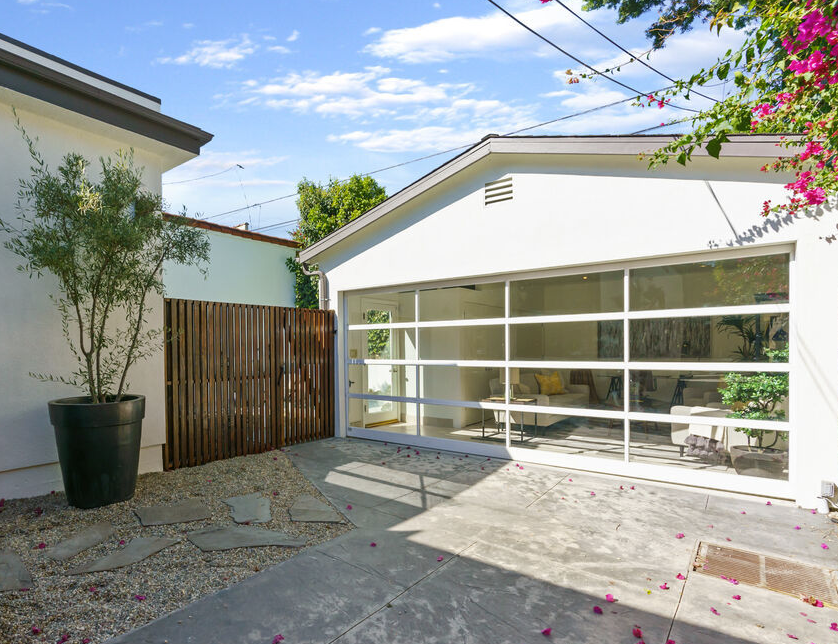
Bridging the Energy Gap: Compliant Glass Overhead Doors with Advanced Framing
Our core competencies
The Unforeseen Energy Code Hurdle in Door Design
Pinpointing the Source of Thermal Bridging
The Impact of Patented Insulated Framing Systems
See Our Process
How we deliver exceptional results
Common Questions
Thermal bridging refers to the presence of a continuous material with high thermal conductivity, such as aluminum, that creates an unimpeded pathway for heat to transfer between the exterior and interior surfaces of a door, thereby compromising its overall insulating capability.
No. Many full-view glass garage doors utilize standard aluminum framing that has not been tested or certified as a complete assembly for energy code compliance. bp's Insulated Line features a proprietary fully insulated frame system, specifically engineered and NFRC-certified to meet Title 24 and IECC standards for the entire door unit.
NFRC standards (including 100, 200, and 400) certify the performance of the entire fenestration product as installed. This encompasses the frame, the edge-of-glass spacer, and the center-of-glass characteristics, providing verified ratings for U-factor, Solar Heat Gain Coefficient (SHGC), and Air Leakage.
A 'thermally improved' frame incorporates a partial thermal break to reduce heat transfer, whereas a 'fully insulated' frame employs a complete thermal break along with internal cavity insulation to entirely sever the conductive pathway between interior and exterior components.
No. While insulated glass enhances the center-of-glass performance, NFRC and energy codes like Title 24 evaluate the entire door assembly. An uninsulated frame can still cause the overall door to fail compliance standards, irrespective of the glazing quality.