A Complete Guide to Company Event Planning

Organising a successful company event demands far more groundwork than most HR professionals initially anticipate. Coordinating objectives, budgets, venues, and participant logistics requires a methodical approach at every phase. Partnering with a seasoned corporate event planning specialist helps safeguard against critical oversights and ensures the programme remains firmly aligned with your organisation's priorities. Adventour Singapore in Singapore has delivered over 1,500 corporate events across Singapore and the Asia-Pacific region since 2008, equipping HR teams with a proven, structured methodology. A well-managed event lifecycle encompasses everything from initial strategic planning and programme design through to on-site delivery and post-event analysis. Gaining a clear picture of each phase allows HR leaders to deploy internal resources efficiently and build timelines that are both realistic and achievable. Whether the priority is strengthening team cohesion, boosting employee engagement, or driving a broader cultural transformation, understanding what the corporate team building and event planning journey looks like will make execution more confident and outcomes more measurable.

Step by Step Through Your Corporate Event Journey

Laying the Groundwork for a Successful Corporate Event

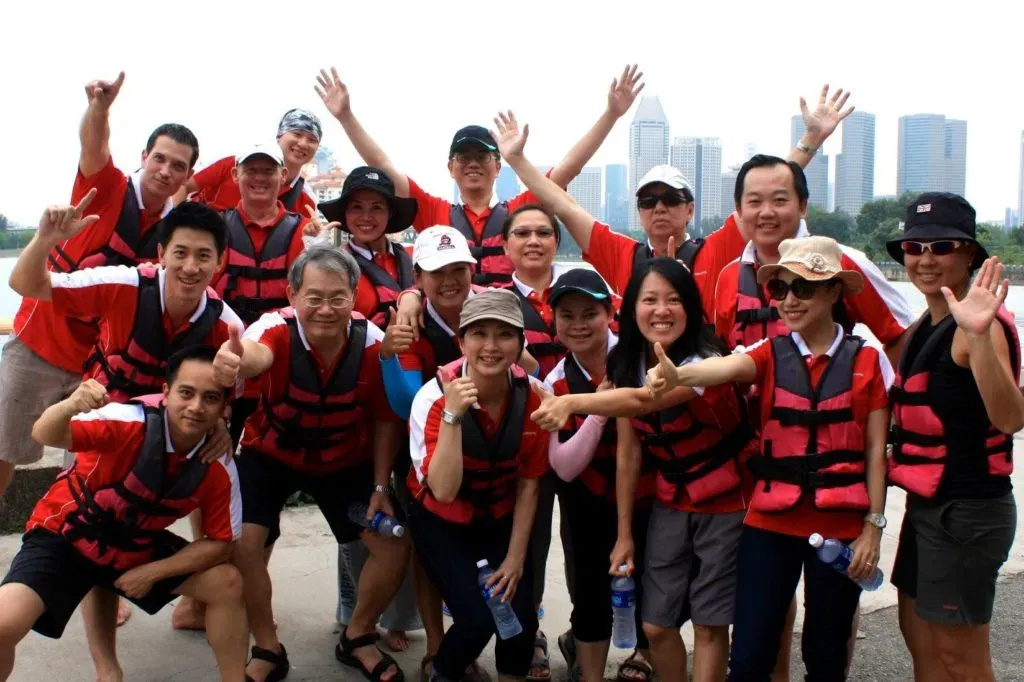
Every well-executed company event begins with a clearly articulated purpose. Are you aiming to strengthen cross-departmental collaboration, celebrate a significant organisational milestone, or deliver a targeted learning and development outcome? Defining this objective upfront gives every subsequent decision a firm foundation. HR leaders should also establish a budget range, an estimated participant count, and a preferred timeframe before approaching any event partner. These three elements directly influence venue shortlisting, programme format selection, and activity scope. Presenting a detailed brief from the outset prevents costly scope revisions mid-process and enables a planning team to recommend solutions that genuinely suit your organisation's culture rather than defaulting to an off-the-shelf package.
Laying the Groundwork for a Successful Corporate Event

Navigating the Onboarding Process With Your Event Partner

Once you formally engage a corporate event planning company, the collaboration typically kicks off with a structured discovery session or briefing call. At this stage, the event team will gather insights about your workforce demographics, any physical activity considerations, venue preferences, and the specific outcomes you intend to measure after the event wraps up. For HR professionals exploring professional corporate team building in Singapore, this consultation is also the point at which programme options are introduced and tailored to suit your group's profile. Within a few business days, you can expect a comprehensive formal proposal detailing the programme structure, logistical arrangements, investment breakdown, and a recommended timeline covering key approval milestones and payment schedules.
Navigating the Onboarding Process With Your Event Partner

From Approval Through to On-Site Delivery and Reporting

With the proposal signed off, the event planning team assumes responsibility for the operational workload — engaging venues, briefing suppliers, coordinating facilitators, and overseeing all logistical elements. HR leaders receive consistent progress updates throughout the build-up period and are consulted on pivotal decisions including thematic direction, the run-of-show schedule, and participant communications. On event day, a dedicated on-site crew manages the setup, flow, and timing so that your internal team can concentrate on their stakeholders rather than operational details. Following the event, a comprehensive summary report covering attendance figures, participant feedback, and measurable outcomes is typically delivered. Organisations seeking a well-structured approach to corporate team building will appreciate how this fully managed model minimises internal administrative load while keeping HR teams informed and in control throughout.
From Approval Through to On-Site Delivery and Reporting

Frequently Asked Questions

A lead time of three to six months is advisable for most corporate events. For more complex programmes such as multi-day conference retreats or overseas incentive trips, a planning window of six to twelve months is recommended to secure preferred venues, facilitators, and suppliers well in advance.

At a minimum, prepare an approximate headcount, a preferred date range, a budget indication, and a well-defined event objective. A more detailed brief allows the event partner to develop a targeted, accurate proposal far more quickly than a vague initial enquiry.

Adventour assigns a dedicated event manager as the single point of contact throughout the process. This individual coordinates all logistics, supplier relationships, and on-site facilitation, significantly simplifying communication for HR teams that need to obtain approvals across multiple departments or business units.

Absolutely. Activity formats, team structures, and learning objectives can all be adapted to reflect the unique characteristics of each department or business unit. A skilled event partner designs the programme around your group's profile rather than applying a generic, uniform approach across all participants.

Adventour's portfolio spans corporate team building activities, sports day events, CSR and community engagement programmes, corporate family days, multi-day conference programmes, learning and development workshops, employee appreciation events, and overseas corporate retreats — addressing a comprehensive range of organisational and HR objectives.