
The Natural Formation of Fulvic and Humic Acids
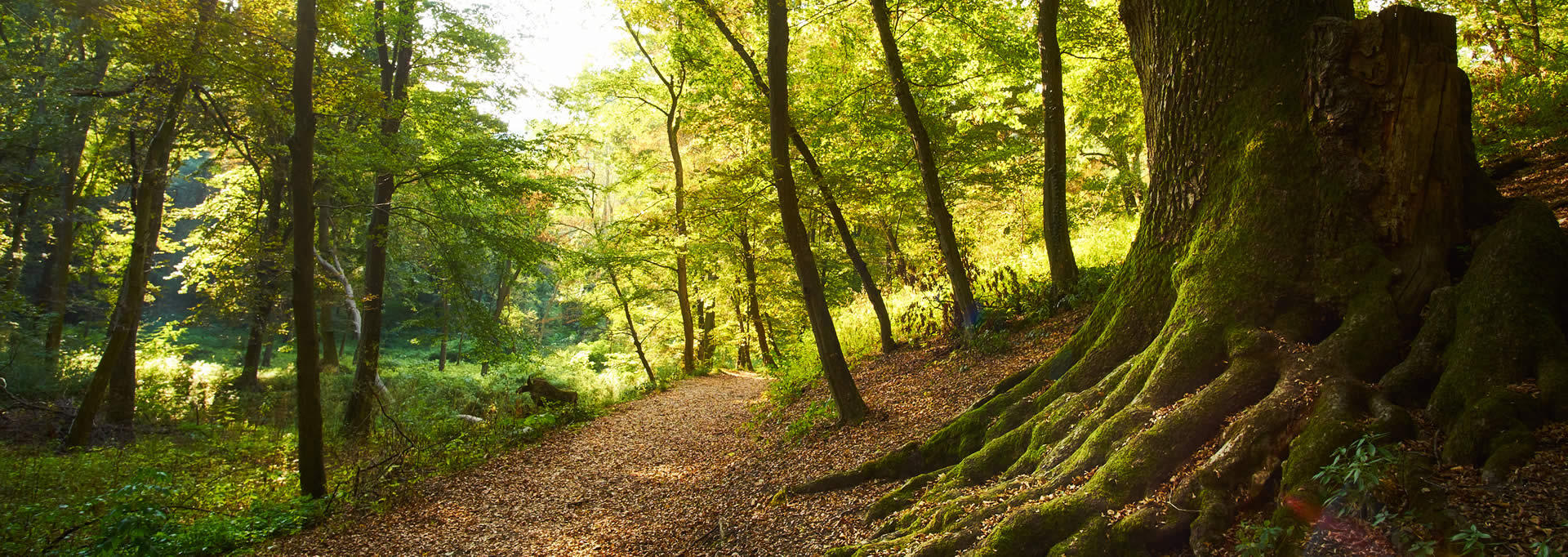
Fulvic and humic acids are the result of a prolonged biological process in which soil microorganisms decompose organic material — including fallen leaves, decaying roots, and plant residues — across many years. This process, known as humification, yields a broad range of molecules collectively referred to as humic substances. Within this group, humic acid represents the heavier, darker fraction that adheres firmly to soil particles, while fulvic acid is the lighter, smaller fraction that remains soluble in water regardless of pH. Together, these compounds play an essential role in maintaining soil health, supporting moisture retention, encouraging microbial diversity, and enabling mineral cycling. Examining what fulvic acid looks like at a molecular level helps explain why its relatively low molecular weight gives it a particular capacity to interact with surrounding substances.

 Frequently Asked Questions