Restore Damaged Teeth with Crowns and Bridges
Tooth damage — whether from decay, fractures, or heavy wear — can undermine both your oral health and your self-confidence. At Cochituate Smile Center in framingham ma, Dr. Mirian Belussi-Campos provides patients throughout Framingham and neighboring communities with precisely fitted crowns and bridges designed to rebuild damaged teeth and restore a fully functional bite. From a single protective crown to a fixed bridge that fills the space left by a missing tooth, every treatment plan is tailored to your individual needs and comfort. Patients from Wayland, Natick, Sudbury, and Ashland regularly travel to our Framingham location for trusted restorative dental care. When a tooth is lost and the teeth on either side are structurally sound, a dental bridge offers a dependable, fixed solution to close the gap. Cochituate Smile Center is situated at 254 Cochituate Rd., Framingham, and welcomes calls at (508) 875-1060.
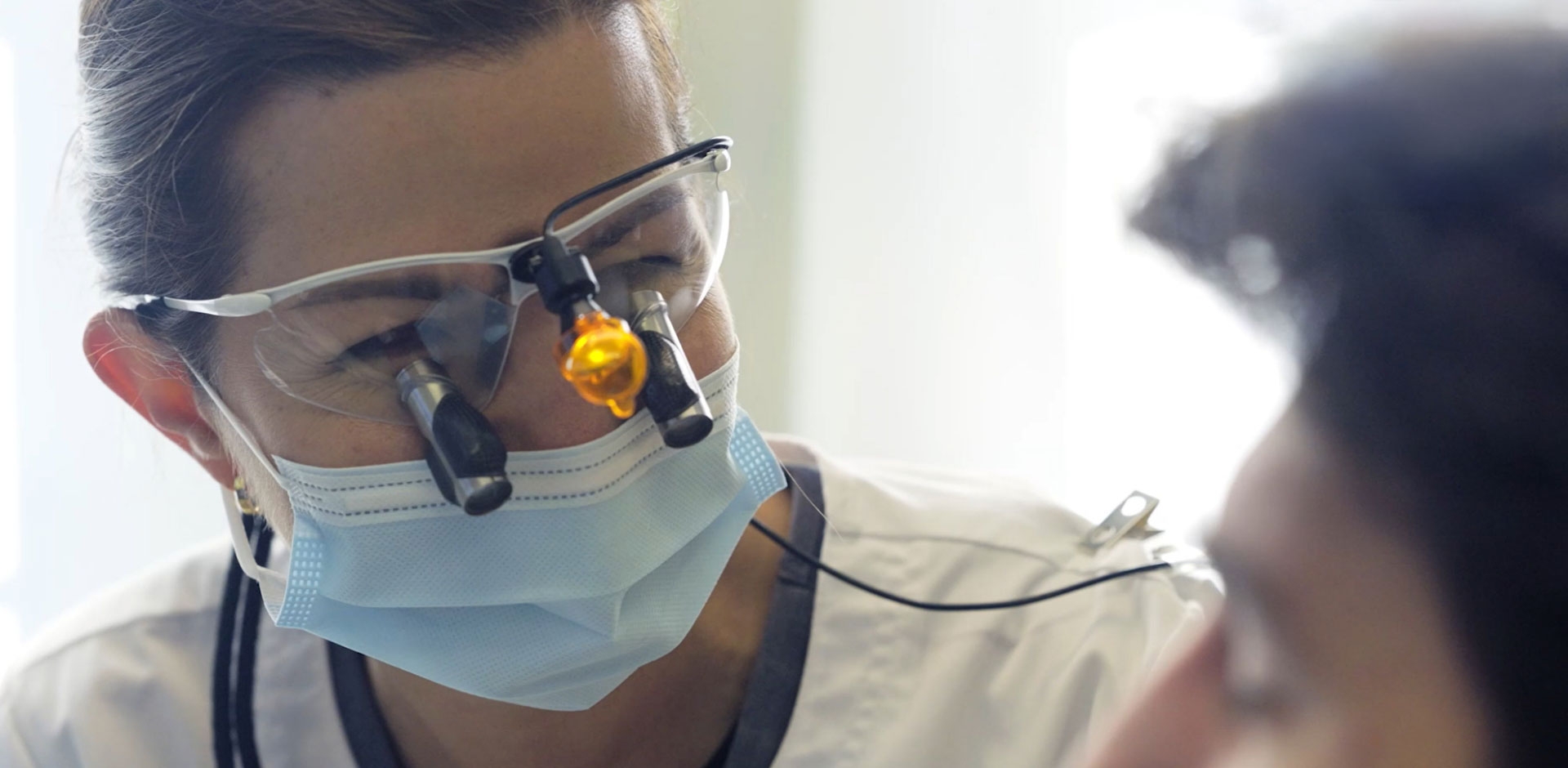
Crowns and Bridges at Cochituate Smile Center
Signs That a Tooth May Require a Crown

Choosing the Right Crown Material and What to Expect at Each Appointment
Bridging the Gap After Tooth Loss and Maintaining Your Restorations Long Term
Frequently Asked Questions
A filling is appropriate when the affected area is relatively small. However, when a crack is extensive, decay has eliminated most of the tooth's natural structure, or a root canal has been completed, a crown typically offers the stronger, more durable protection needed to preserve what remains of the tooth.
Zirconia is an exceptionally tough ceramic material that resists chipping and handles heavy biting forces well, making it ideal for back teeth. Porcelain crowns, on the other hand, provide an especially lifelike, translucent appearance and are frequently chosen for front teeth where aesthetics are the primary concern.
Getting a crown generally requires two appointments. At the first visit, the tooth is prepared and scanned or impressioned, and a temporary crown is fitted. The second visit involves seating the permanent crown, verifying it matches your bite correctly, and cementing it in place.
Zirconia and porcelain crowns are shade-matched to the surrounding natural teeth. Dr. Belussi selects the appropriate color during your preparation appointment so that the finished crown integrates seamlessly with the rest of your smile.
A bridge relies on the teeth adjacent to the gap as structural anchors. Those supporting teeth are reshaped to accommodate crowns, and a prosthetic tooth is connected between them to occupy the empty space. The completed bridge is permanently fixed and functions much like a natural tooth.
Find Us
Ready to Get Started?
We'd love to hear from you