Taking Immediate Action With Emergency Water Mitigation
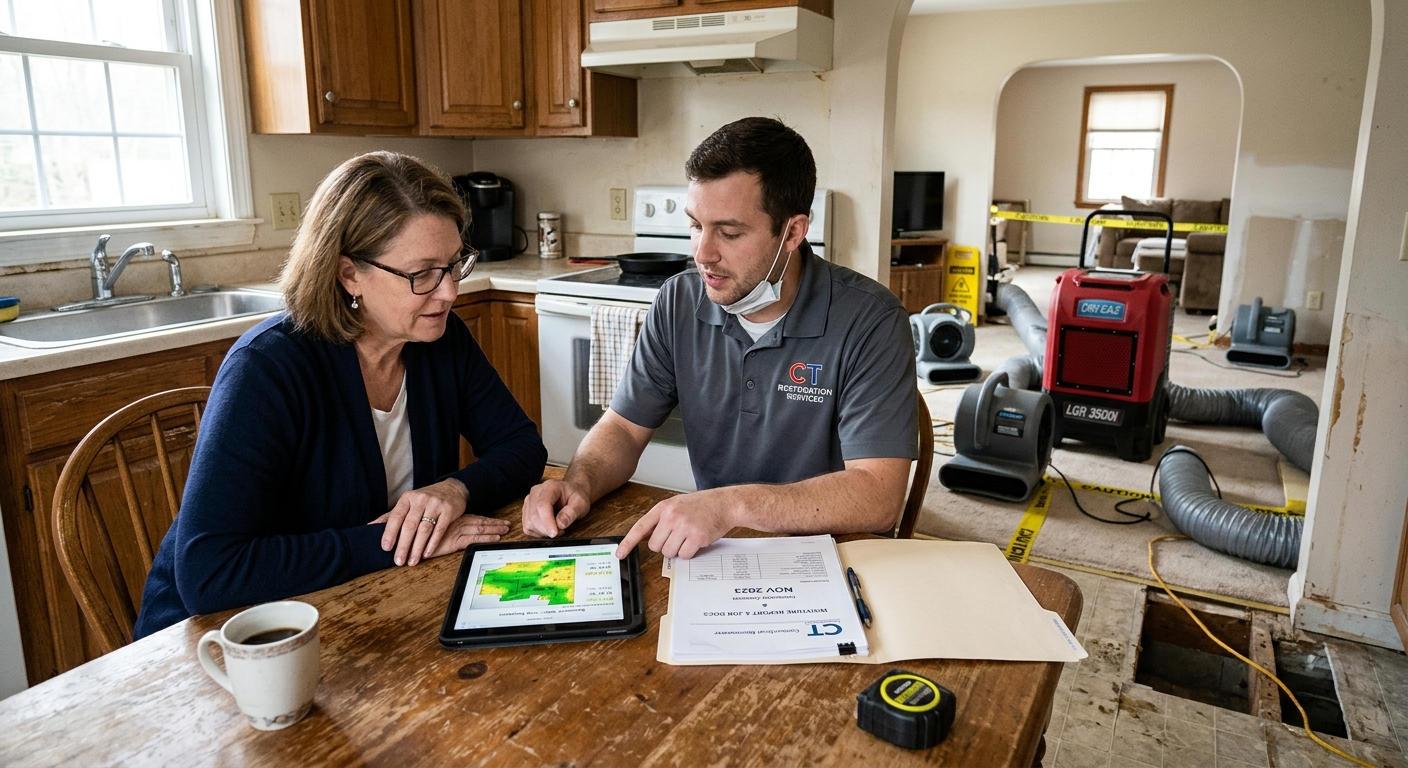
Whether water enters a home through a failing appliance, a cracked pipe, or a severe weather event, the immediate goal is cutting off the source and containing the spread. A certified technician starts with a comprehensive inspection, deploying moisture meters and thermal imaging cameras to identify all compromised zones, including areas concealed behind wall surfaces or under flooring materials. Heavy-duty truck-mounted extraction systems remove standing water with far greater speed and thoroughness than any equipment available to consumers. This critical phase of emergency water mitigation demands urgency because mold colonies can begin forming within just 24 to 48 hours of initial moisture exposure. Every photograph, moisture reading, and observation captured at this stage builds the factual foundation needed for an accurate damage assessment that your insurance provider will rely on.
 Frequently Asked Questions