Expert Coastal Painting and Weatherproofing for South Florida Homes
South Florida's coastal climate is one of the most demanding environments any painted surface can face, where salt air, intense UV radiation, and seasonal storms combine to accelerate surface deterioration at an alarming rate. Homeowners and business owners across the region trust All Coast Painting to deliver coating systems specifically engineered to stand up to these punishing conditions year after year. Whether you own a stucco-clad residence in Cooper City or manage a large commercial facility along the waterfront, selecting the right waterproofing and paint system is not a cosmetic decision — it is a structural one. Investing in professionally applied, hurricane-zone-rated coatings from the start saves thousands of dollars in premature repairs down the road.
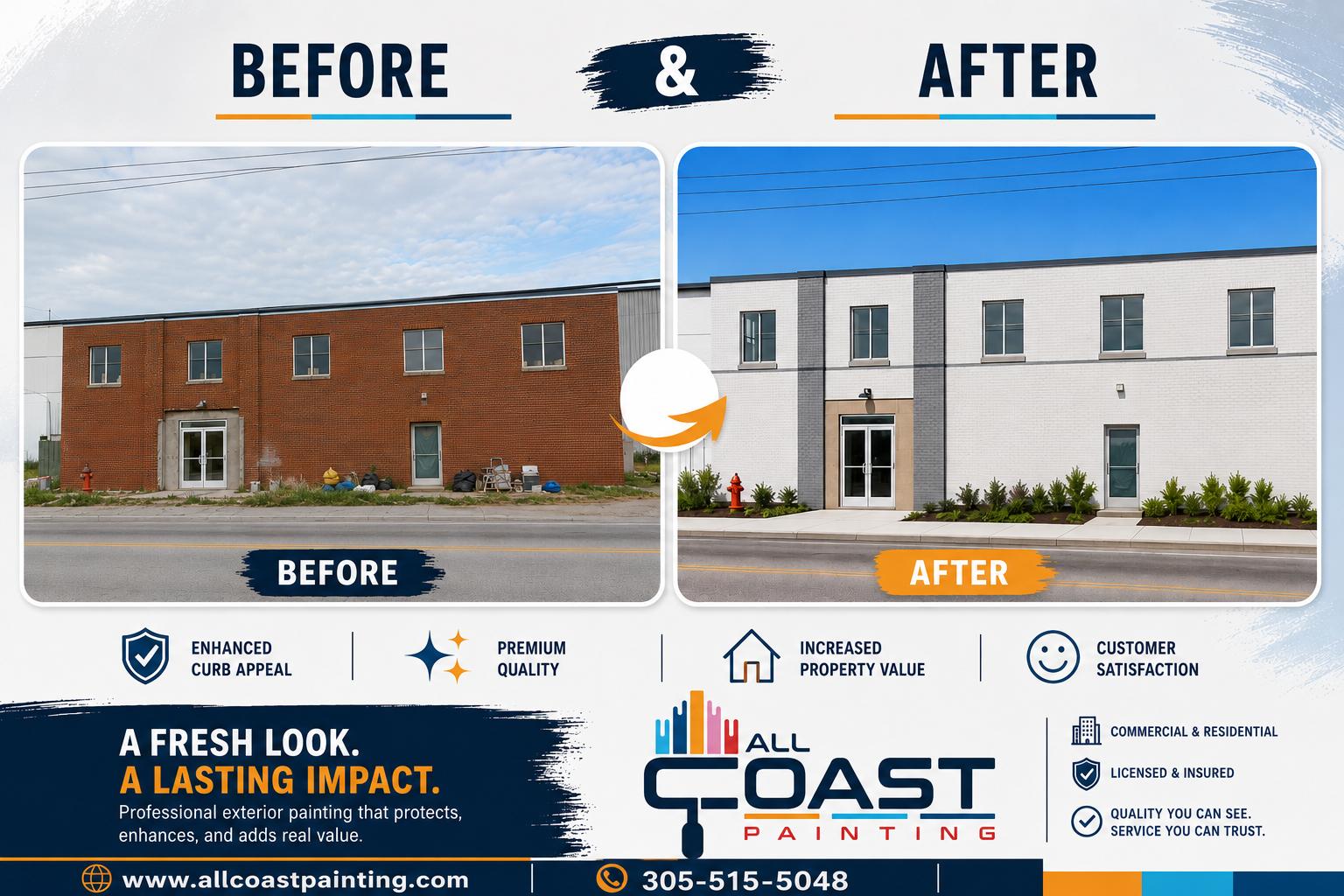
Complete Guide to Coastal Stucco Weatherproofing and Elastomeric Coating Systems in South Florida
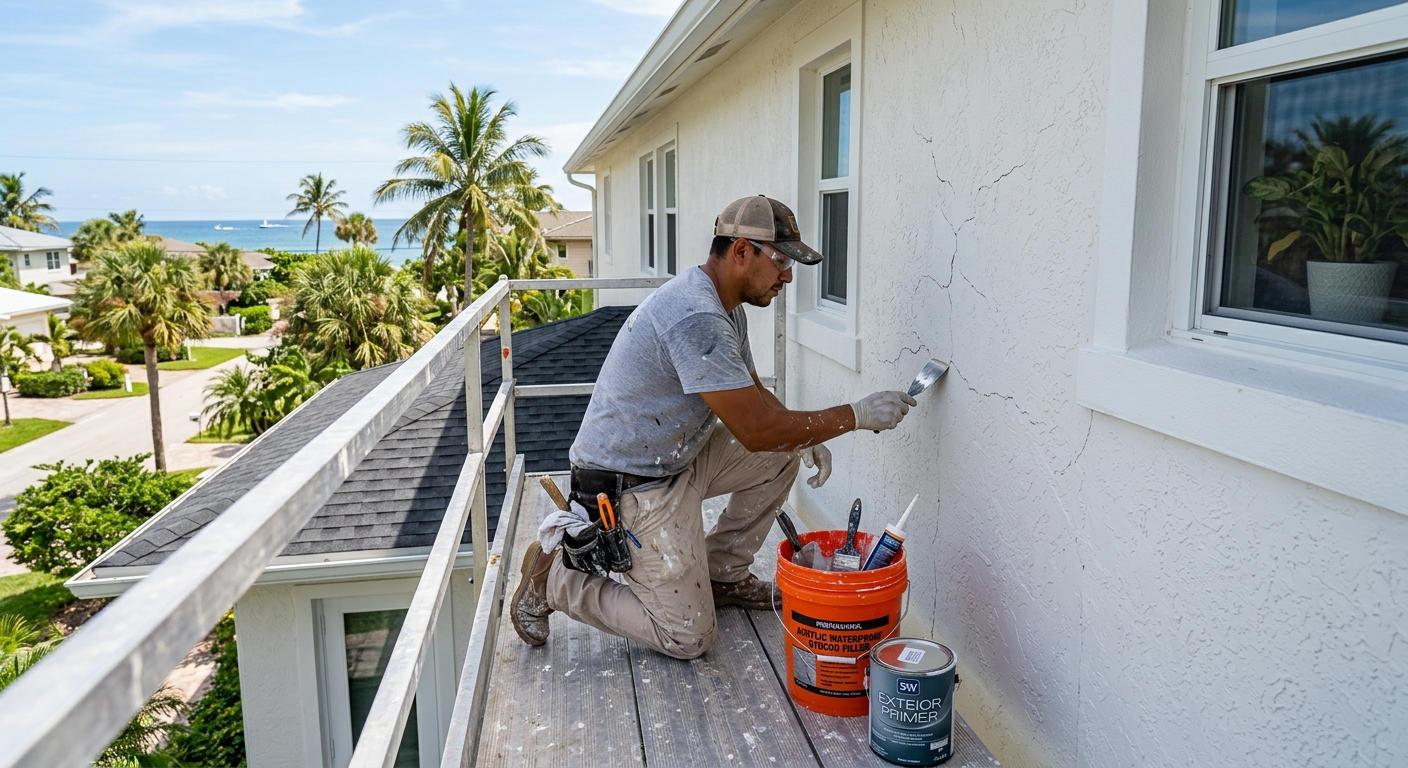
Why Coastal Stucco Needs Specialized Protection in South Florida
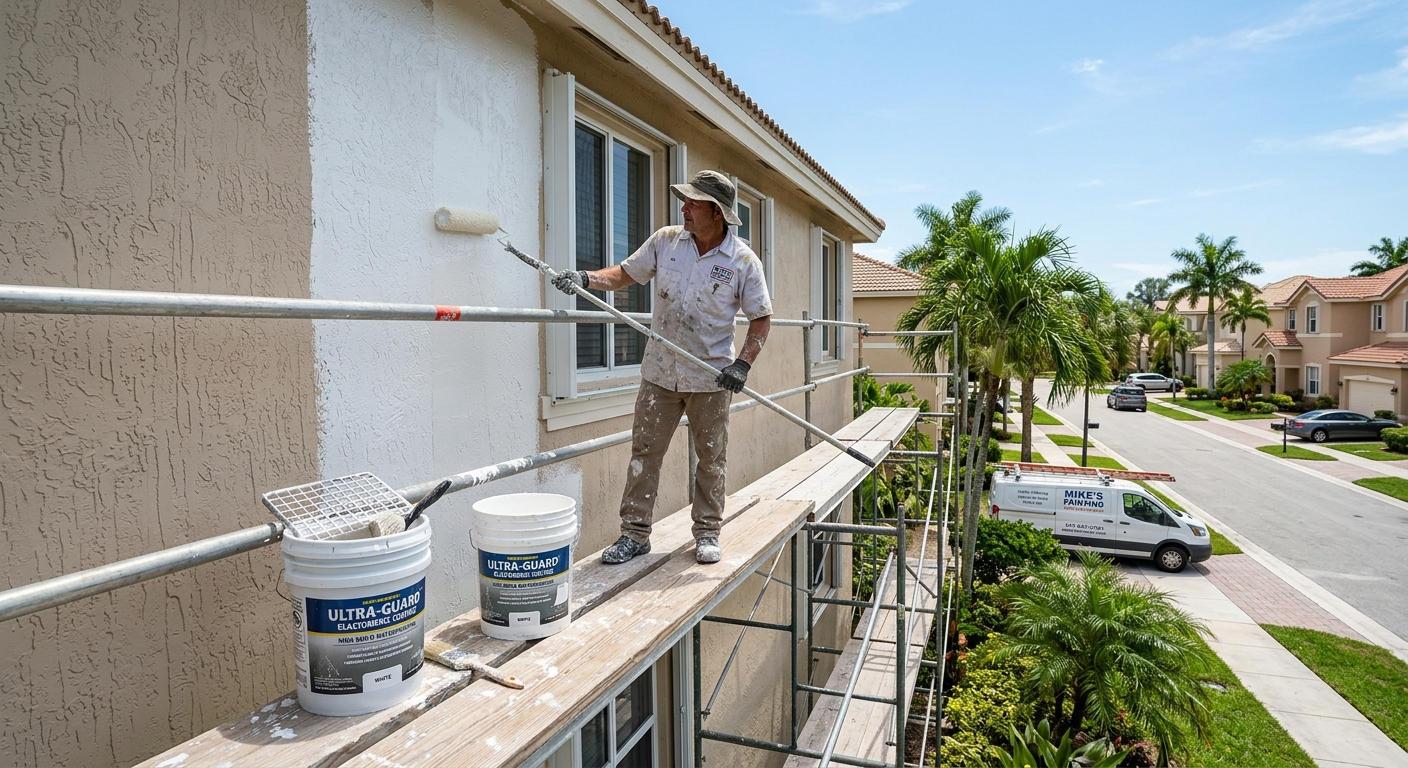
Elastomeric Waterproofing Systems: The Gold Standard for Salt-Air Resistance
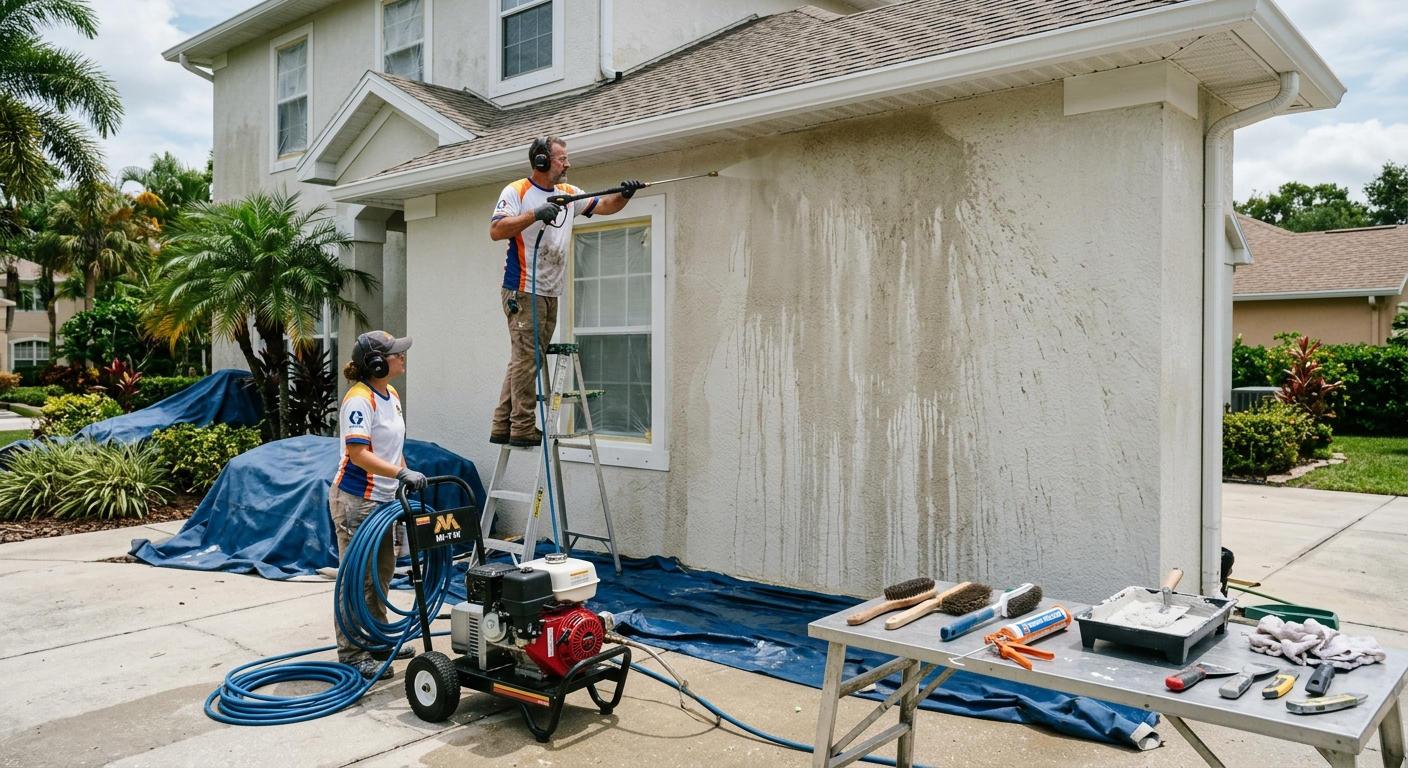
Expert Surface Preparation: The Foundation of a Long-Lasting Exterior Coating
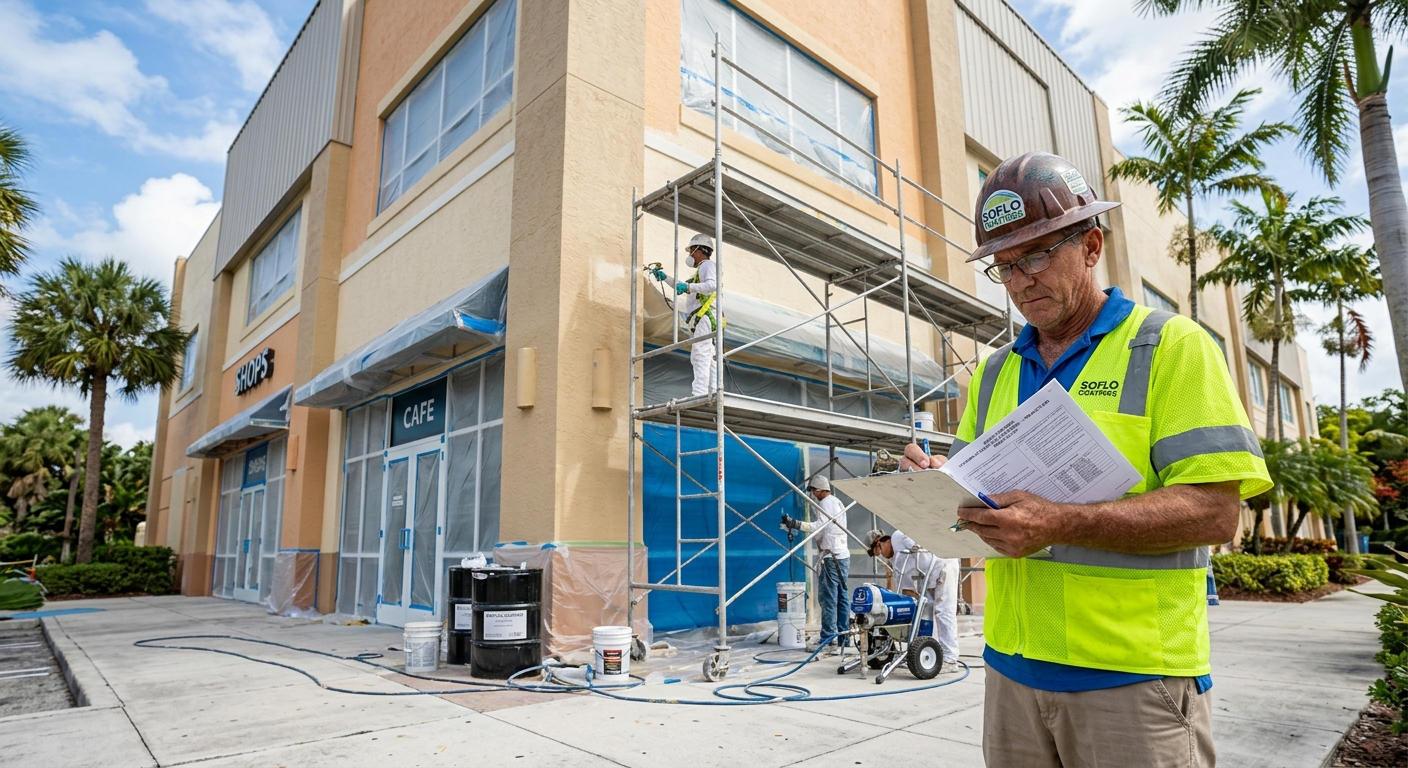
Hurricane-Zone Coating Standards and Commercial Compliance Requirements
Frequently Asked Questions
In most inland US markets, exterior paint on stucco can last eight to ten years before recoating is necessary. However, in South Florida's coastal environment — where salt air, intense UV exposure, high humidity, and hurricane-season rainfall accelerate film degradation — most professional exterior house painters recommend a recoating cycle of five to seven years for standard latex systems and seven to ten years for properly applied elastomeric systems. Properties located within half a mile of saltwater should lean toward the shorter end of those ranges. Regular annual inspections can help identify early signs of failure, such as chalking, cracking, or mildew growth, so touch-ups can be made before full repainting is required.
An elastomeric coating is a high-build, rubber-based exterior finish that cures into a flexible, waterproof membrane over masonry and stucco surfaces. Unlike standard exterior latex paints, which cure into a relatively rigid film, elastomeric products can stretch and return to their original shape as the substrate expands and contracts with temperature changes — a critical property in South Florida, where daily thermal cycling is significant. They are also formulated to resist moisture penetration, resist UV degradation, and inhibit mold and mildew growth, making them an ideal solution for coastal stucco. When you hire All Coast Painting, the team applies these systems at the correct film thickness and with the proper primer and topcoat sequence to maximize their service life.
Yes — All Coast Painting serves both residential homeowners and commercial property owners across South Florida. On the residential side, the company handles everything from single-family stucco repaints to full elastomeric waterproofing systems for larger homes in coastal communities. On the commercial side, the team works with property managers, HOAs, hospitality operators, and retail centers requiring compliant coating systems that meet Florida Building Code standards for high-velocity hurricane zones. If you manage a property in Cooper City or anywhere in the broader South Florida region and need a reliable painting partner, you can learn more about the full range of services at allcoastpainting.com.
Surface preparation is arguably the single most important factor in determining how long an exterior coating system will last. In coastal South Florida, surfaces accumulate salt deposits, mold, mildew, chalked paint, and oxidation between painting cycles, and any of these contaminants left on the surface will compromise adhesion of the new coating. Professional painting contractors begin every project with a thorough high-pressure wash, followed by crack repair, caulking of all joints and penetrations, and spot priming of bare or corroded areas. Skipping or rushing any of these steps — even with a premium product — is a reliable recipe for early coating failure. Quality preparation is one of the core principles practiced by coastal exterior painting South Florida specialists who understand the demands of this climate.
When evaluating painting contractors for any property in the Fort Lauderdale area, start by confirming that the contractor holds a current, valid Florida state contractor's license and carries both general liability insurance and workers' compensation coverage. Ask for references from completed projects in similar coastal environments and request product data sheets for the coatings they plan to use, verifying that those products are appropriate for stucco and rated for use in South Florida's climate. A reputable contractor will also provide a written, itemized proposal that outlines surface preparation steps, product specifications, number of coats, and expected film thickness. Be cautious of extremely low bids, as they almost always indicate shortcuts in preparation or material quality that will cost you more in the long run.
Ready to Get Started?
We'd love to hear from you