Advanced Computational Fluid Dynamics for Engineering Teams

Understanding how heat and fluids behave within intricate systems is critical for modern engineering, and computational fluid dynamics offers insights that physical testing simply cannot match on its own. Converge Engineering Services in Dearborn has been delivering high-quality simulation work across diverse industries since 2001. Our experienced analysts convert real operating conditions into precise virtual environments, exposing potential performance issues well before manufacturing begins. Catching these problems early gives engineering teams the opportunity to resolve them without incurring costly late-stage redesign expenses. Our CFD services span a wide spectrum of applications, including airflow assessments, thermal comfort studies, and pressure-drop evaluations in complex piping configurations. We leverage deep engineering knowledge accumulated over decades alongside cutting-edge solver software to generate actionable, reliable outcomes. Every engagement is carefully scoped to align with your project schedule and budget, ensuring a streamlined and transparent process from start to finish. Whether you are launching a new product or optimizing an existing design, our CFD analysis capabilities empower your team to make well-informed engineering decisions.

Inside Our CFD Simulation and Analysis Workflow

Precise Fluid Flow Modeling From the Ground Up

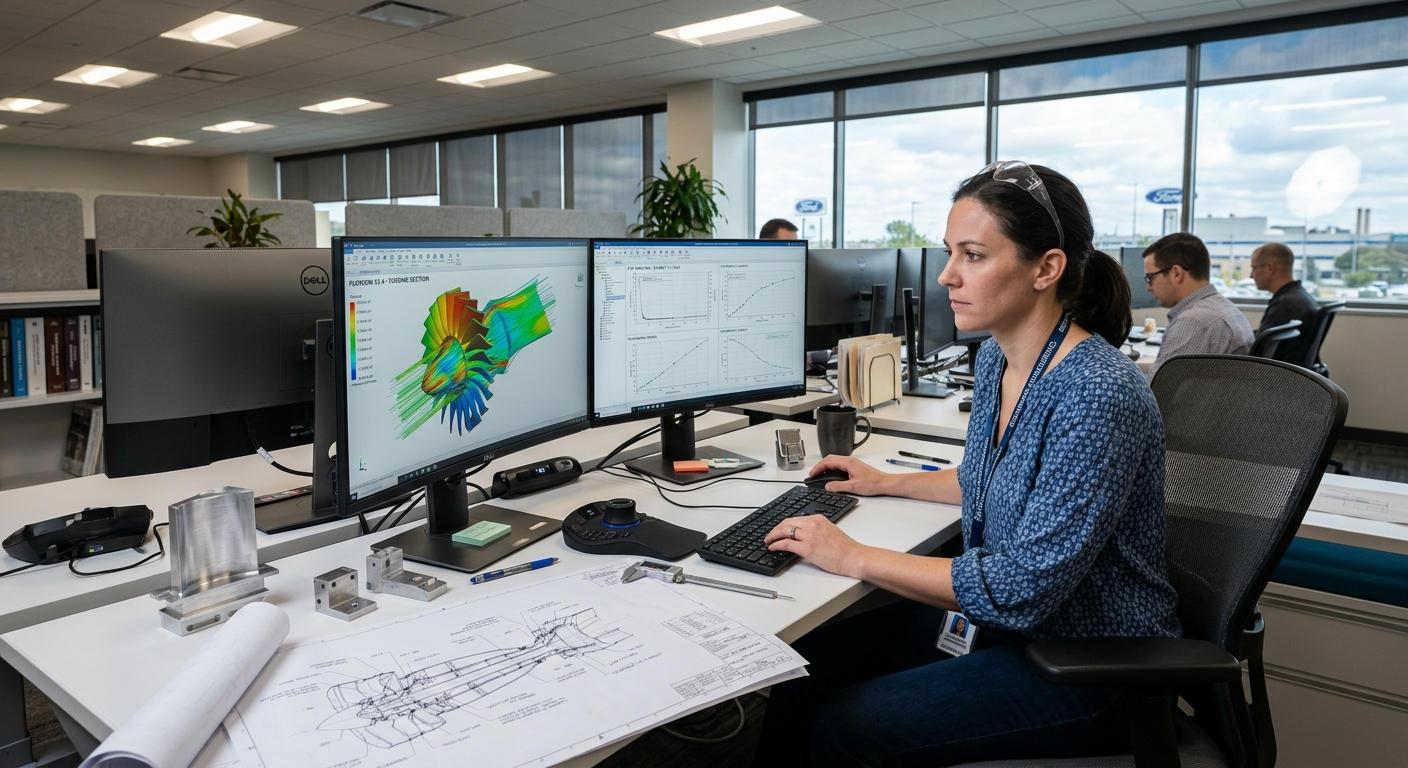
Every project begins with the construction of a detailed geometry model that accurately represents your component or system at the required level of fidelity. Real operating data — including inlet velocities, pressures, temperatures, and material characteristics — is used to define boundary conditions, ensuring the solver output reflects genuine field behavior. We select structured or unstructured meshing approaches based on the geometric complexity involved, striking the right balance between result accuracy and computational efficiency. After the simulation reaches convergence, our engineers thoroughly review residuals and validate outputs against established benchmarks or available physical test measurements. You are provided with a comprehensive, well-organized report that clearly communicates what the flow field indicates and details any recommended design modifications.
Precise Fluid Flow Modeling From the Ground Up

Coupled Thermal and Multiphysics Simulation Expertise

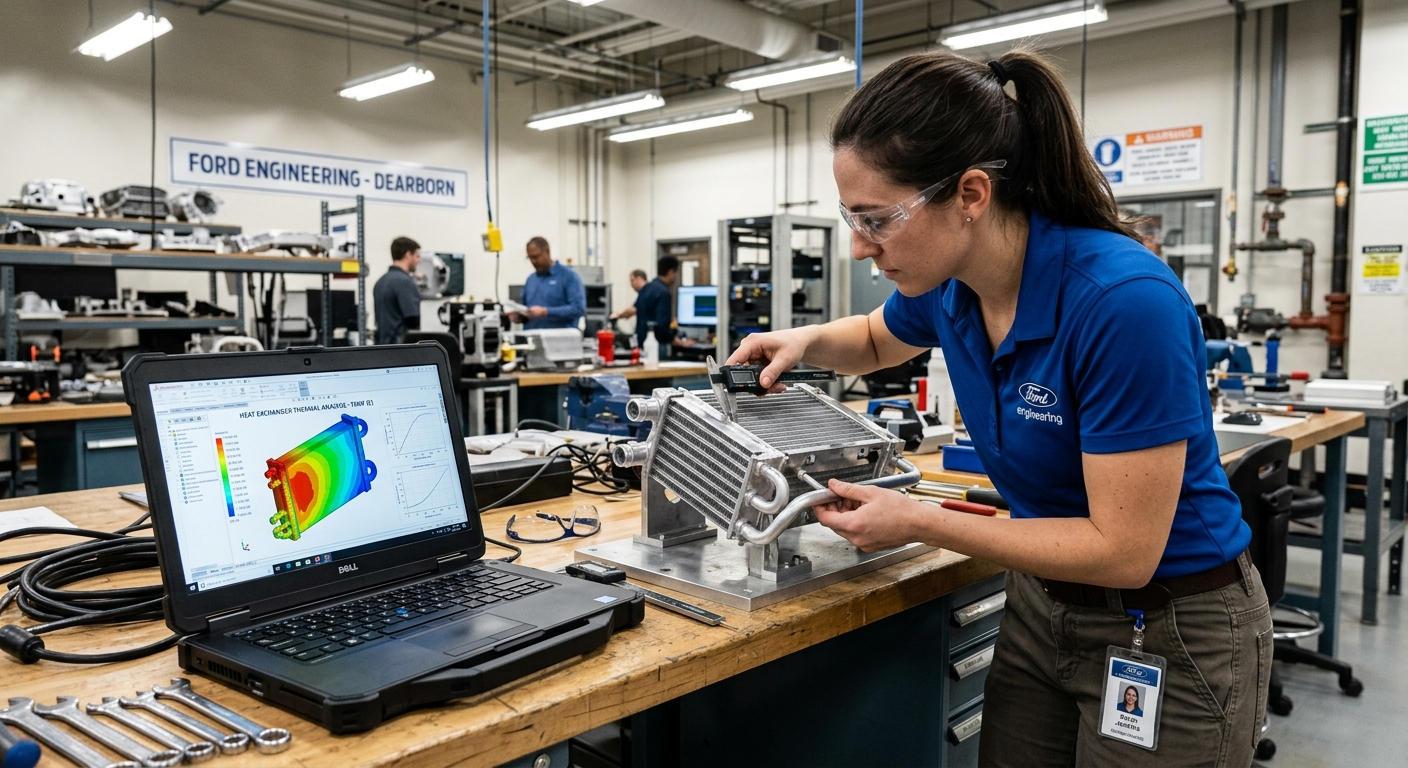
Thermal behavior and fluid motion are almost never independent of one another, which is why our multiphysics methodology captures both phenomena within a single unified model. For clients operating in the automotive, HVAC, and power electronics sectors, we simulate conjugate heat transfer — the simultaneous exchange of thermal energy between solid structures and the surrounding or internal fluid. This approach is particularly valuable for evaluating thermal comfort inside vehicle cabins and for assessing the cooling effectiveness of electronic enclosures under load. Discover the breadth of what we offer by visiting professional CFD Simulation in Dearborn on our website. Unifying fluid and thermal physics in one model removes the uncertainty introduced when separate analyses must be manually reconciled after the fact.
Coupled Thermal and Multiphysics Simulation Expertise

Feeding CFD Findings Directly Into Your Design Process

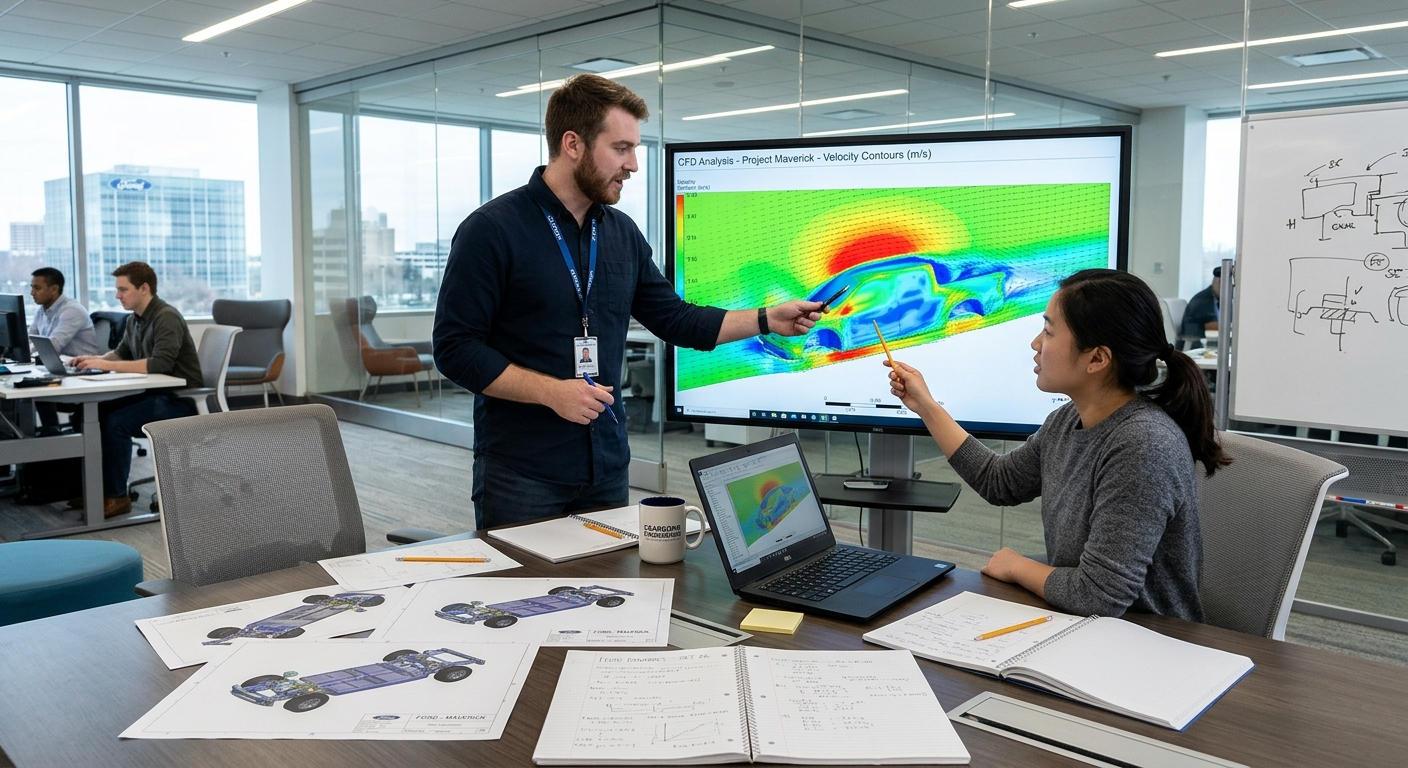
Simulation results generate the greatest return on investment when they flow seamlessly back into the engineering design cycle. Our team prepares deliverables — including velocity contour plots, pressure distribution maps, temperature field visualizations, and quantitative performance metrics — in formats compatible with your CAD environment and product lifecycle management platforms. We also conduct design-of-experiments studies, executing parametric sweeps across geometry variants or operating condition ranges so that multiple options can be evaluated side by side prior to final design commitment. This type of integrated CFD Simulation Services approach compresses development timelines and minimizes the number of physical prototypes your project requires. The outcome is a faster, more efficient path from initial concept to a production-ready, validated design.
Feeding CFD Findings Directly Into Your Design Process

Frequently Asked Questions

Computational fluid dynamics is well-suited to problems involving airflow, liquid flow, heat transfer, mixing, combustion, and pressure-drop behavior. It sees broad application across automotive, aerospace, HVAC, medical device, and industrial equipment sectors, enabling performance prediction before physical prototypes are ever constructed.

Timelines depend on the complexity of the geometry and the number of simulation scenarios involved. A targeted single-condition study can often be completed within one to two weeks, while a comprehensive parametric investigation spanning numerous operating conditions may require four to six weeks or longer.

When boundary conditions are accurately defined and the mesh is appropriately refined for the problem, CFD predictions typically fall within five to ten percent of experimental measurements. Formal validation against test data strengthens confidence further, confirming that the model is trustworthy for guiding design decisions.

We work with most industry-standard CAD formats, including STEP, IGES, Parasolid, and native files from CATIA, SolidWorks, or NX. If only engineering drawings are available, our team has the capability to reconstruct the geometry — simply outline your situation with us during the initial project scoping discussion.

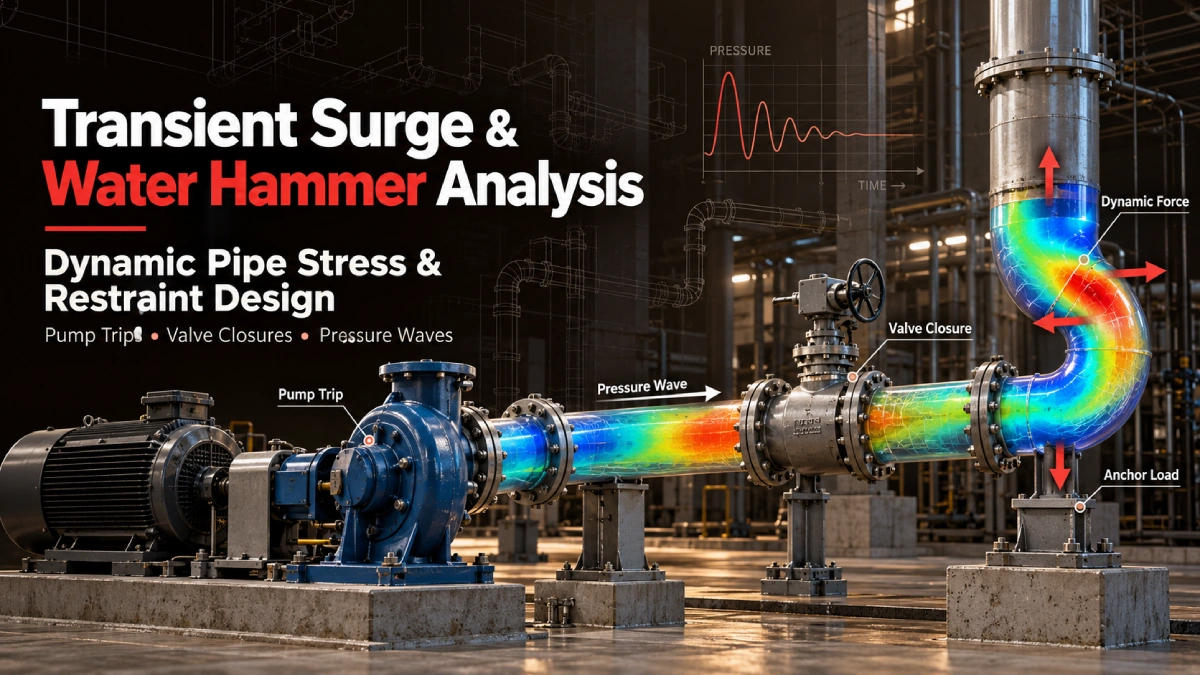
Yes. We analyze internal flow systems such as pipe networks, ductwork, and cooling passages, as well as external flows around vehicles, building structures, and electronic housings. Each problem type is assigned a meshing approach and solver configuration tailored to the specific flow physics it involves.